The Ultimate Guide to Sustainable Home Design Trends


Embracing Eco-Friendly Materials
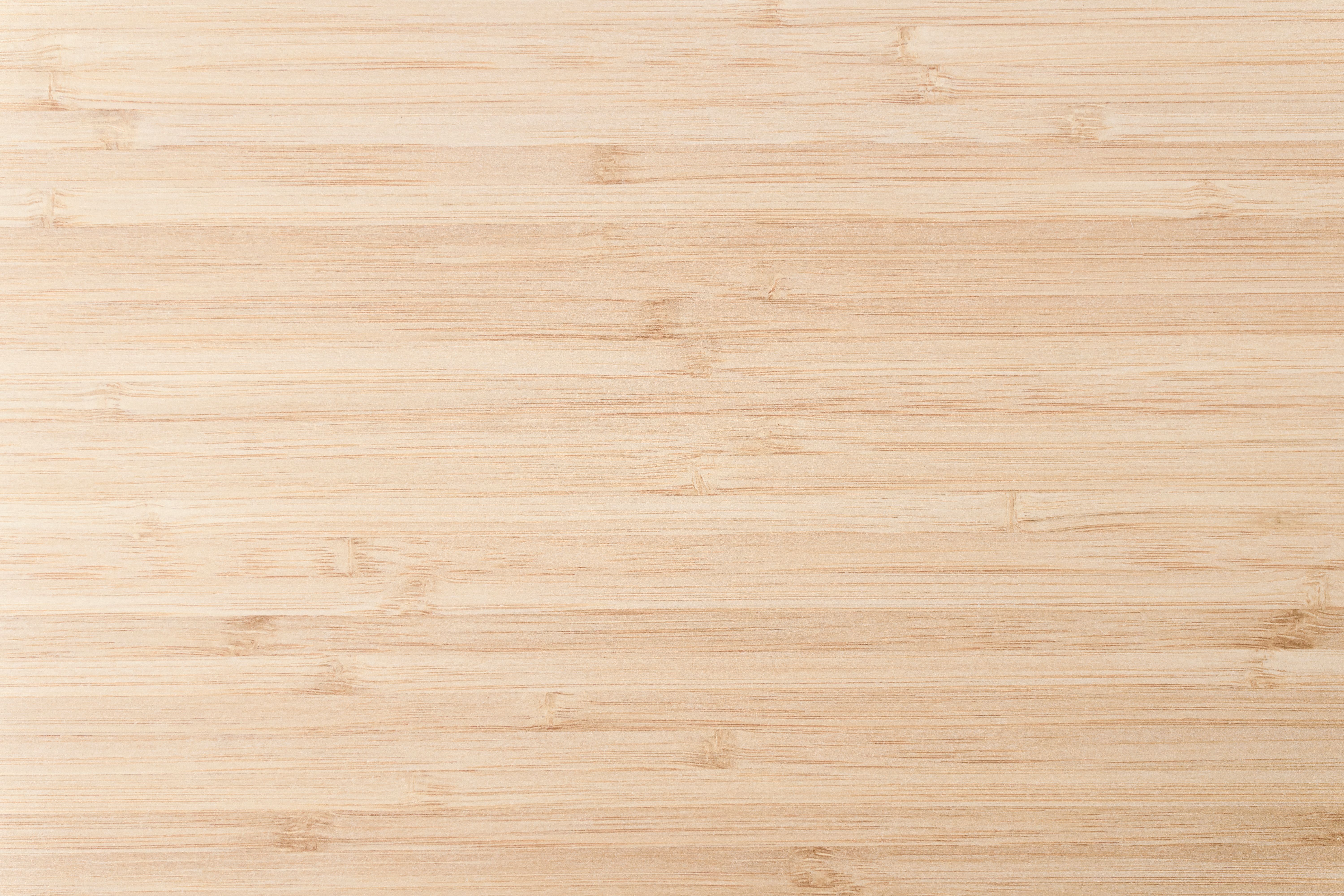
Sustainable home design is all about incorporating eco-friendly materials that have a minimal impact on the environment. From bamboo flooring to recycled metal accents, the options are both stylish and sustainable. Bamboo, for instance, grows rapidly and requires fewer pesticides, making it an ideal choice for flooring and furniture.
Another popular material is reclaimed wood, which adds character and history to any space. By reusing wood from old structures, you not only reduce waste but also bring a unique aesthetic to your home. Consider using reclaimed wood for accent walls, beams, or even furniture pieces.
Energy Efficiency is Key
Incorporating energy-efficient elements into your home design is crucial for sustainability. Start by installing LED lighting, which uses less energy and lasts longer than traditional bulbs. Additionally, smart home technology can optimize energy use by allowing you to control lighting, heating, and cooling remotely.

Investing in solar panels is another excellent way to reduce your carbon footprint. While the initial cost can be high, the long-term savings on energy bills and the positive environmental impact make it worthwhile. Don't forget about proper insulation, which can significantly reduce energy consumption by maintaining consistent indoor temperatures.
Water Conservation Techniques
Water conservation is an essential aspect of sustainable home design. Consider installing low-flow fixtures in your bathrooms and kitchen to reduce water usage without sacrificing performance. Dual-flush toilets are another effective option, allowing you to choose between a full or half flush depending on the need.

Landscaping can also play a significant role in water conservation. Opt for native plants that require less water and maintenance, or install a rainwater harvesting system to collect and reuse rainwater for irrigation.
Incorporating Biophilic Design
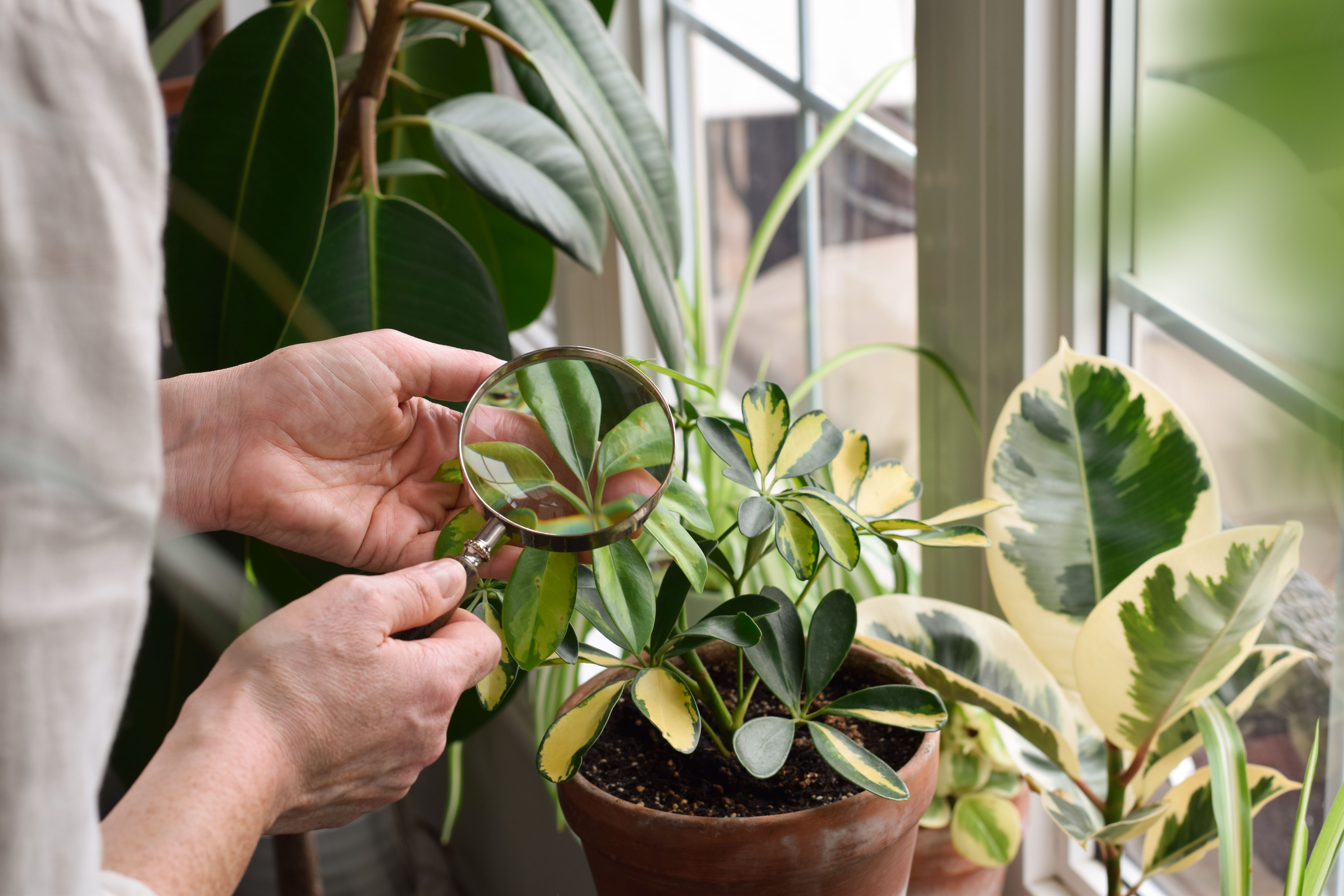
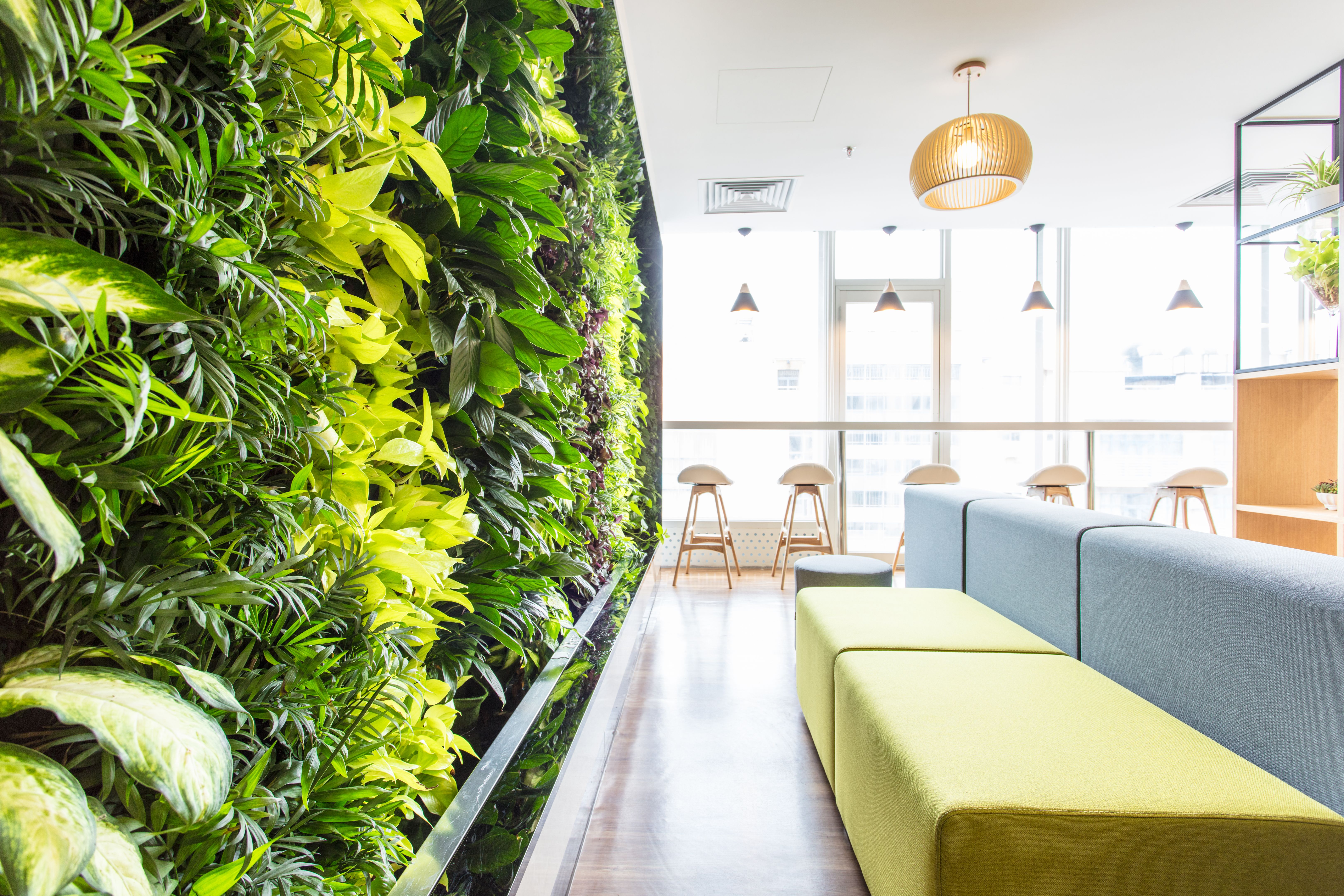
Biophilic design focuses on connecting your home with nature, promoting well-being and sustainability. This can be achieved by incorporating natural elements such as indoor plants, natural light, and water features. Not only do plants improve air quality, but they also add a touch of tranquility to your space.
Maximizing natural light can reduce the need for artificial lighting during the day. Consider large windows, skylights, or even solar tubes to bring more sunlight into your home. These elements not only create a more inviting atmosphere but also contribute to energy efficiency.
Choosing Sustainable Furniture
When selecting furniture, opt for pieces made from sustainable materials like reclaimed wood, recycled metal, or sustainable fabrics. Look for brands that prioritize eco-friendly practices, such as using water-based finishes or natural dyes. Vintage or second-hand furniture is also a great option, reducing the demand for new resources.
Consider the longevity of your furniture choices. Investing in high-quality, durable pieces not only reduces waste but also ensures that your home remains stylish for years to come. Prioritize timeless designs that can adapt to changing trends.
The Importance of Sustainable Certifications
When planning your sustainable home design, look for certifications that guarantee eco-friendly practices. Certifications like LEED (Leadership in Energy and Environmental Design) or ENERGY STAR can help guide your choices, ensuring that your home meets high environmental standards.
These certifications often cover various aspects of design, from energy efficiency to material sourcing, providing a comprehensive approach to sustainability. By choosing certified products and materials, you can be confident in their environmental impact.