The Future of Living: Exploring Modern Prefabricated Homes


Introduction to Modern Prefabricated Homes
As urbanization continues to rise and environmental concerns become more pressing, the demand for innovative housing solutions is growing. One such solution is the modern prefabricated home. These homes, often called "prefabs," offer a blend of sustainability, affordability, and cutting-edge design. But what exactly makes prefabricated homes the future of living?
The Evolution of Prefabricated Homes
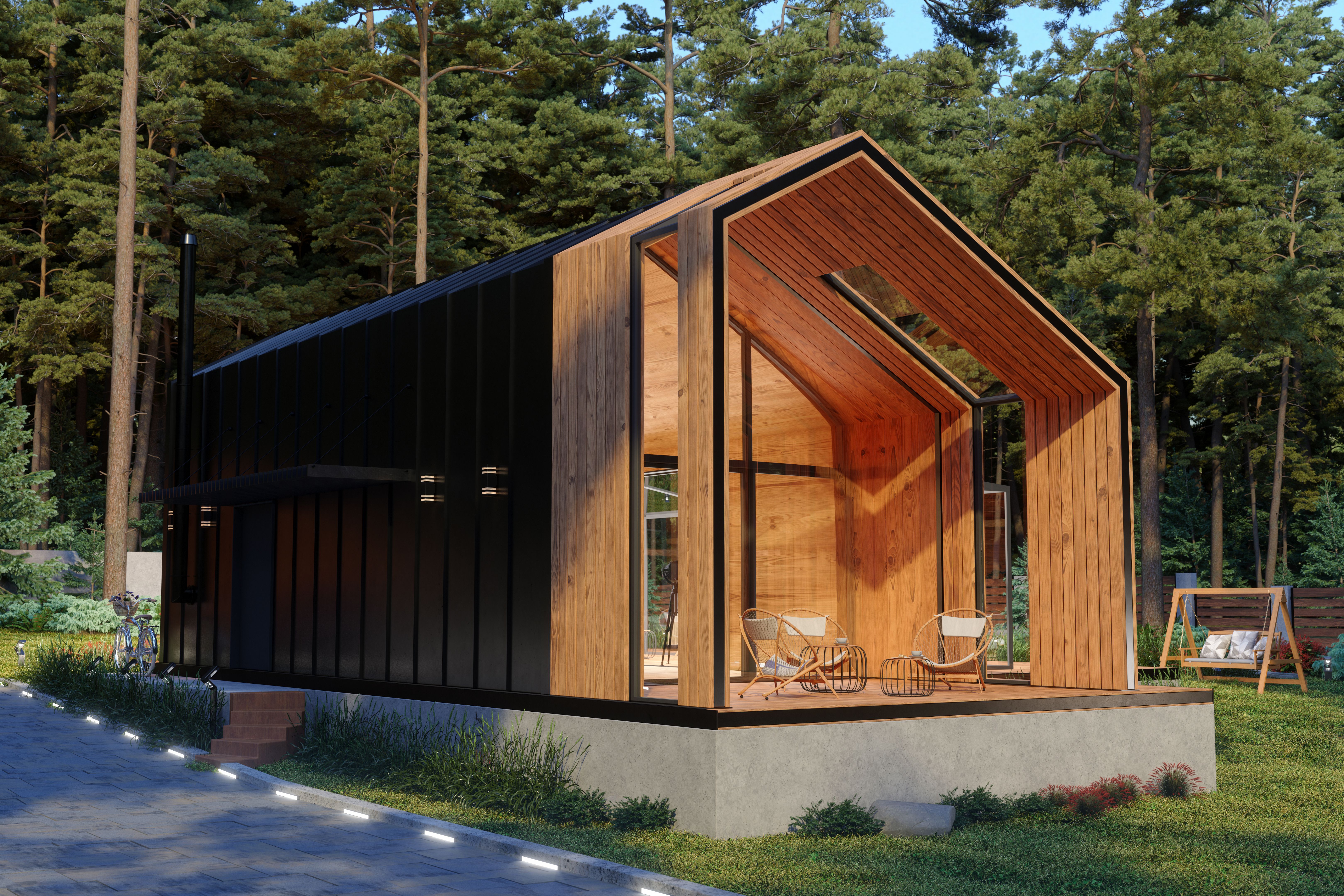
Initially perceived as temporary or low-quality housing, prefabricated homes have undergone a remarkable transformation. Advances in technology and materials have allowed these homes to rival traditional construction in both aesthetics and durability. Today's prefabs are not only stylish but also customizable, enabling homeowners to tailor their spaces to specific needs and tastes.
The ability to produce homes in a controlled factory environment ensures consistency in quality and reduces construction waste. This approach is part of what makes prefabs appealing to environmentally conscious consumers.
Environmental Benefits and Sustainability
One of the most compelling advantages of prefabricated homes is their potential for sustainability. By manufacturing components in a factory setting, the process minimizes waste and optimizes resource usage. Additionally, many prefab homes incorporate eco-friendly materials and energy-efficient systems.
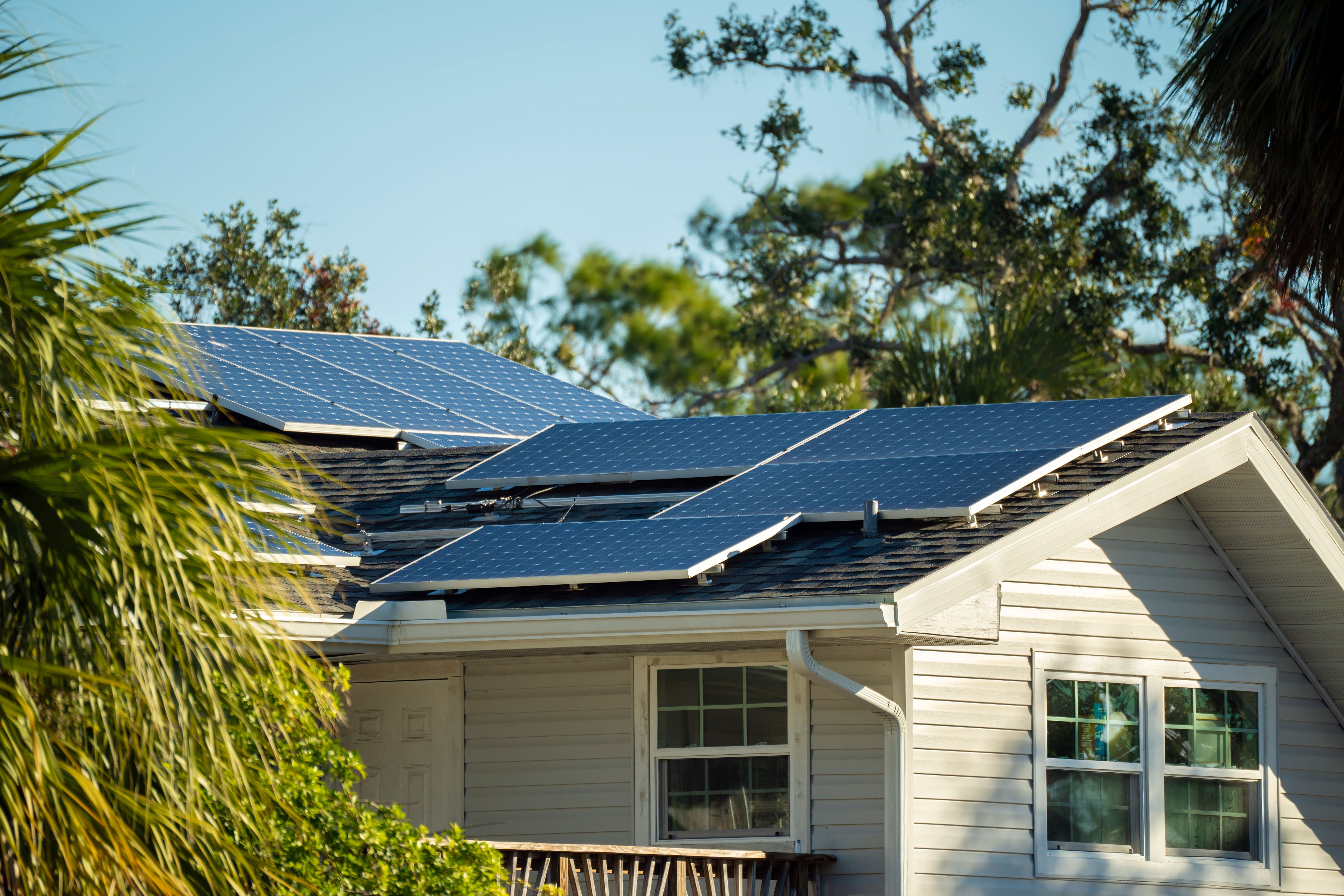
Another key aspect is the reduced construction time, which results in less energy consumption. Prefab homes are often completed in just weeks, compared to months or even years for traditional builds. This efficiency contributes to a lower carbon footprint.
Affordability and Cost-Effectiveness
Prefabricated homes can be more cost-effective than conventional housing. The streamlined production process reduces labor costs, and the ability to purchase materials in bulk lowers expenses further. Homeowners can enjoy high-quality construction without breaking the bank.
- Reduced construction time
- Lower labor costs
- Minimal material waste
Design and Customization
Modern prefabricated homes offer a wide range of design options. From sleek, minimalist aesthetics to more traditional styles, there is something for everyone. Many companies provide customization options, allowing homeowners to select layouts, finishes, and features that suit their lifestyles.
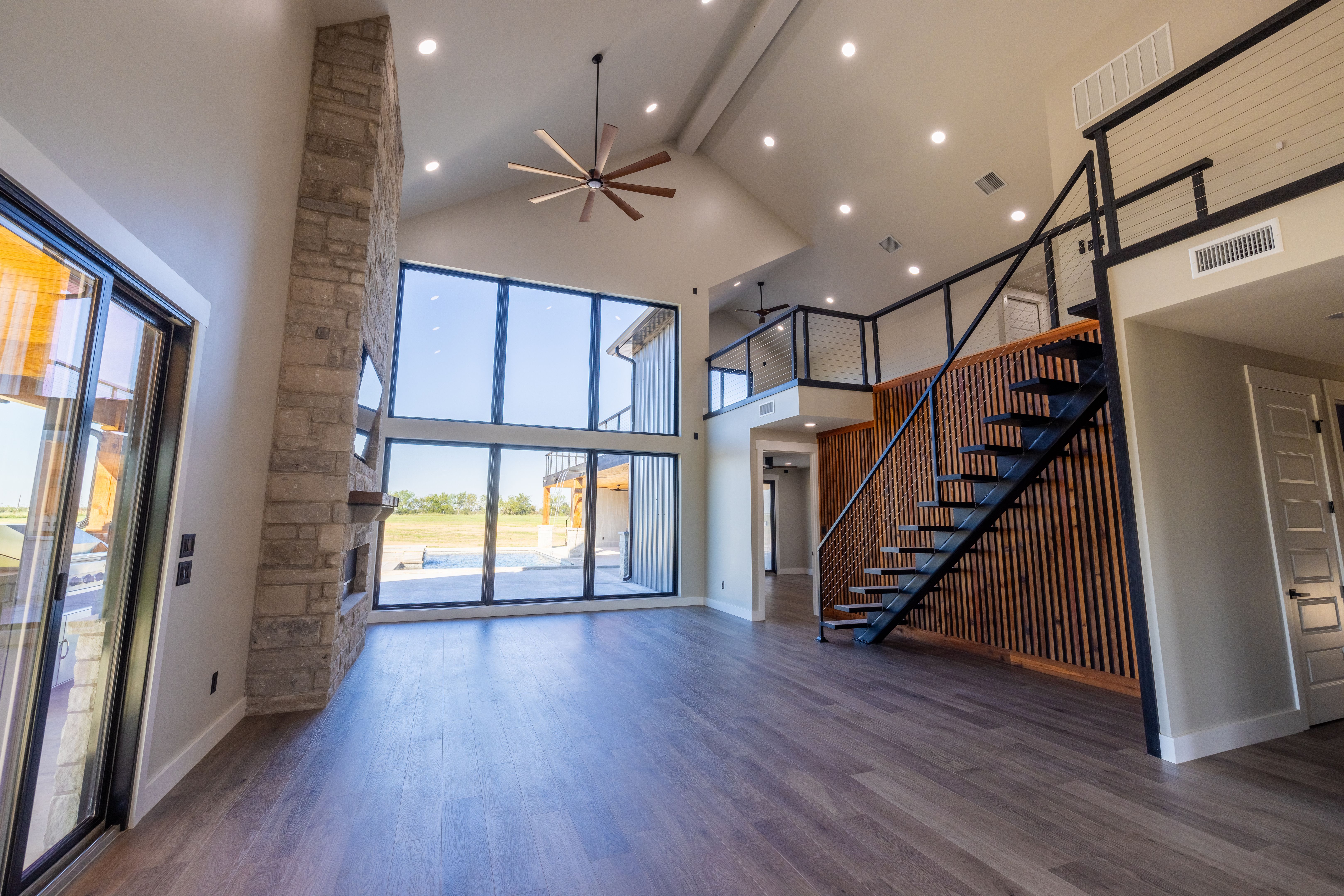
The use of modular components also allows for future expansion, making it easier to adapt the home as needs change. This flexibility is a significant draw for families and individuals alike.
Challenges and Considerations
Despite their many benefits, prefabricated homes face some challenges. Zoning regulations and building codes can vary significantly, potentially complicating the approval process. Additionally, the initial investment in land and setting up utilities can be substantial.
However, as awareness and demand grow, these obstacles are becoming easier to navigate. Educating consumers and policymakers about the benefits of prefabricated homes will be crucial in overcoming these hurdles.
Conclusion
The future of living is being shaped by innovative solutions like modern prefabricated homes. With their blend of sustainability, affordability, and customizability, prefabs are poised to become a key player in the housing market. As technology continues to advance, the possibilities for this type of housing are endless, promising a brighter and more sustainable future for all.