Sustainable Housing: The Future of Modern Prefabricated Homes


In recent years, the concept of sustainable housing has gained significant traction as homeowners and builders alike seek eco-friendly and efficient solutions. One of the most promising developments in this area is the rise of modern prefabricated homes. These homes, often referred to as "prefabs," combine innovative design with sustainability, offering a glimpse into the future of housing.
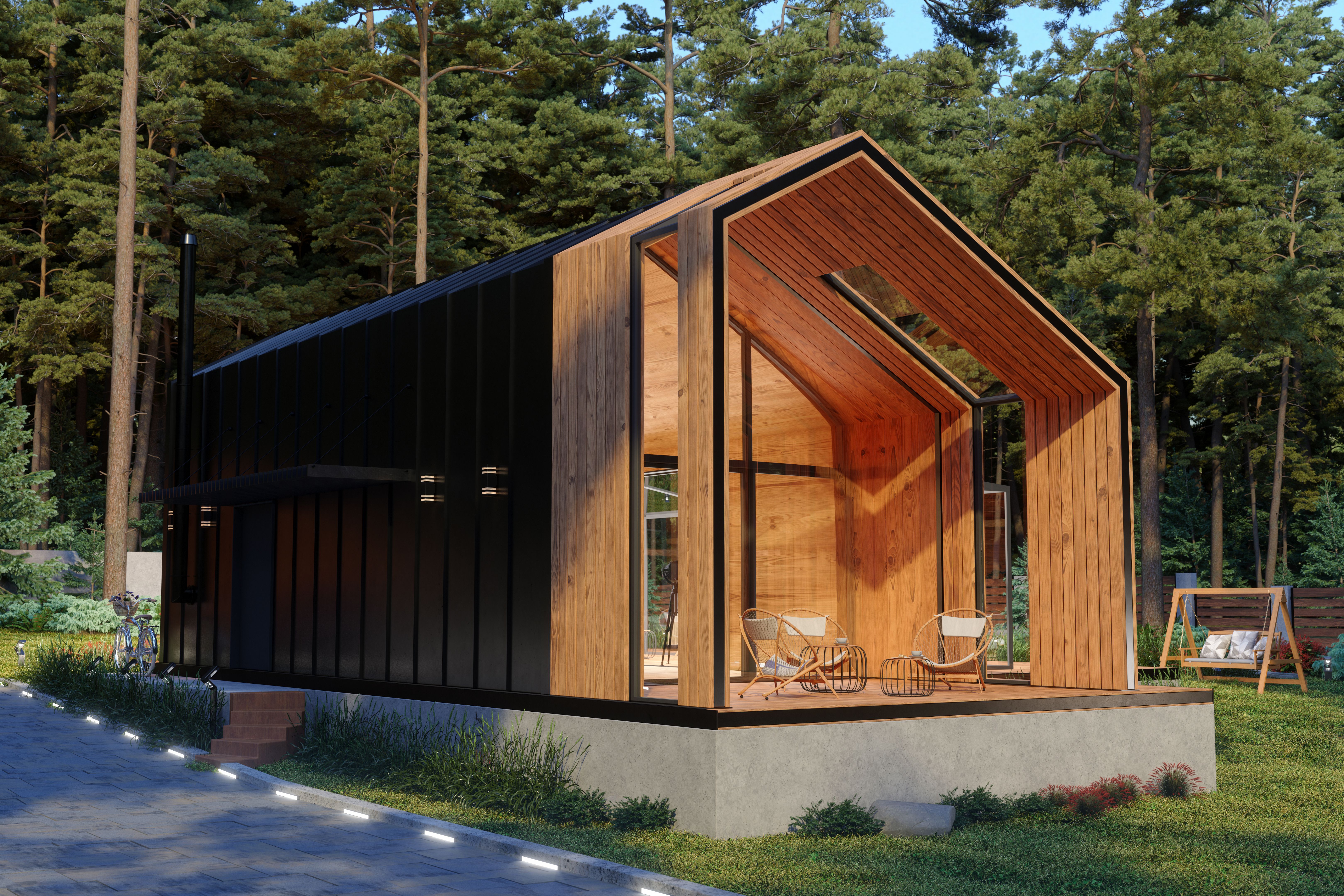
The Appeal of Prefabricated Homes
Prefabricated homes are constructed off-site in a controlled environment, which allows for a higher degree of precision and reduced waste. This method not only minimizes the environmental impact but also significantly cuts down on construction time. Homeowners can move into their new homes much faster compared to traditional building methods.
Moreover, prefabs offer a wide range of design possibilities, from sleek modern aesthetics to more traditional looks. This flexibility makes them an attractive option for a variety of tastes and preferences. Many manufacturers also offer customizable options, allowing homeowners to personalize their space to suit their needs.
Environmental Benefits
Sustainability is at the heart of the prefabricated home movement. The controlled factory environment reduces waste and often incorporates recycled materials. Additionally, many prefab homes are designed with energy efficiency in mind, featuring high-quality insulation, energy-efficient windows, and solar panel options.
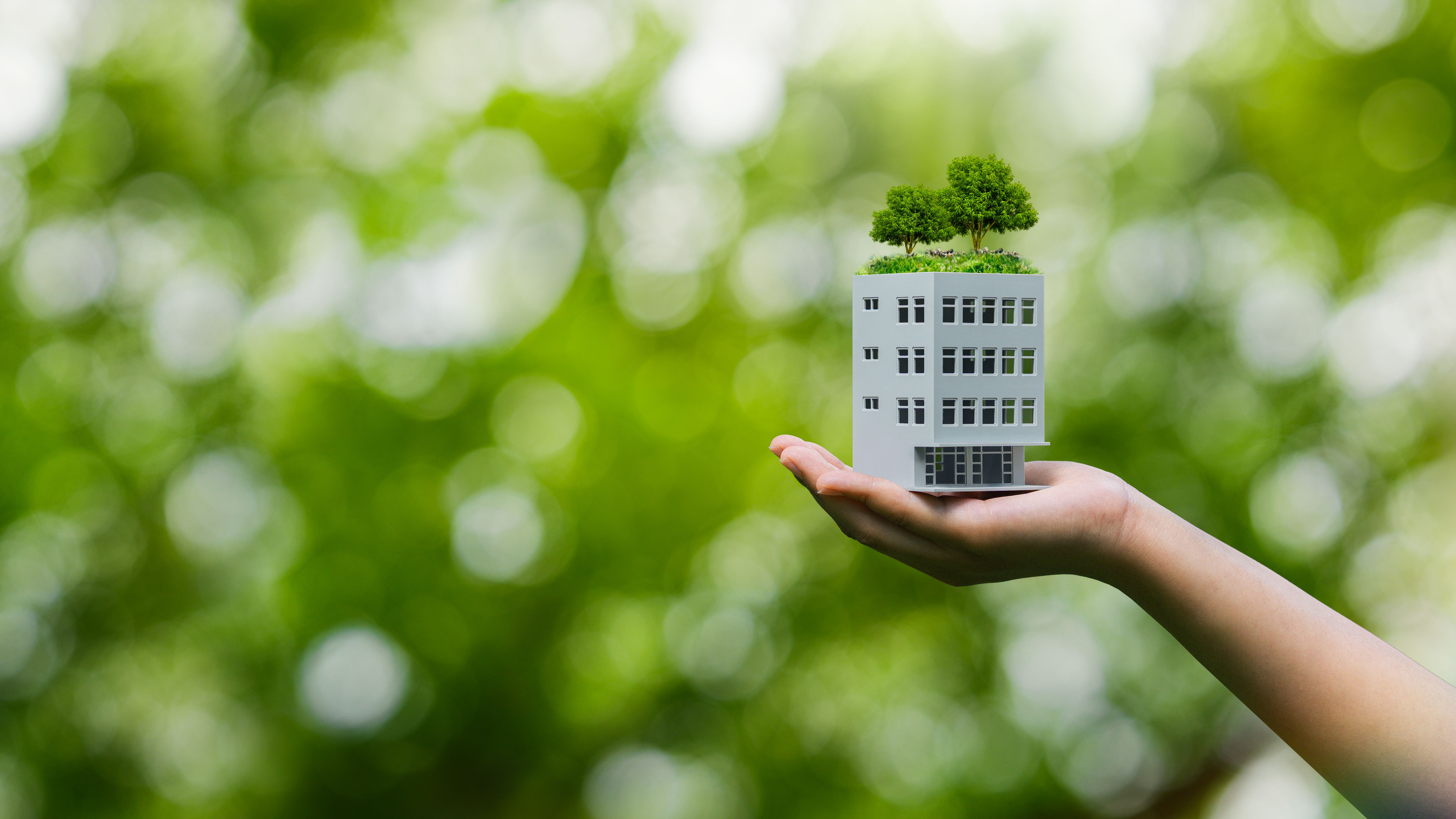
By choosing a prefabricated home, homeowners can significantly reduce their carbon footprint. These homes are also often designed to be adaptable to future technological advancements, ensuring they remain sustainable for years to come.
Cost Efficiency and Affordability
Another major advantage of prefabricated homes is their cost efficiency. The streamlined construction process can lead to significant savings on labor and materials. This makes prefabs an attractive option for those looking to build on a budget without compromising on quality or sustainability.
Additionally, the quick construction time means fewer delays and reduced financing costs, which can further improve affordability. As the demand for sustainable housing grows, it's likely that the costs associated with prefabricated homes will continue to decrease.
The Future of Housing
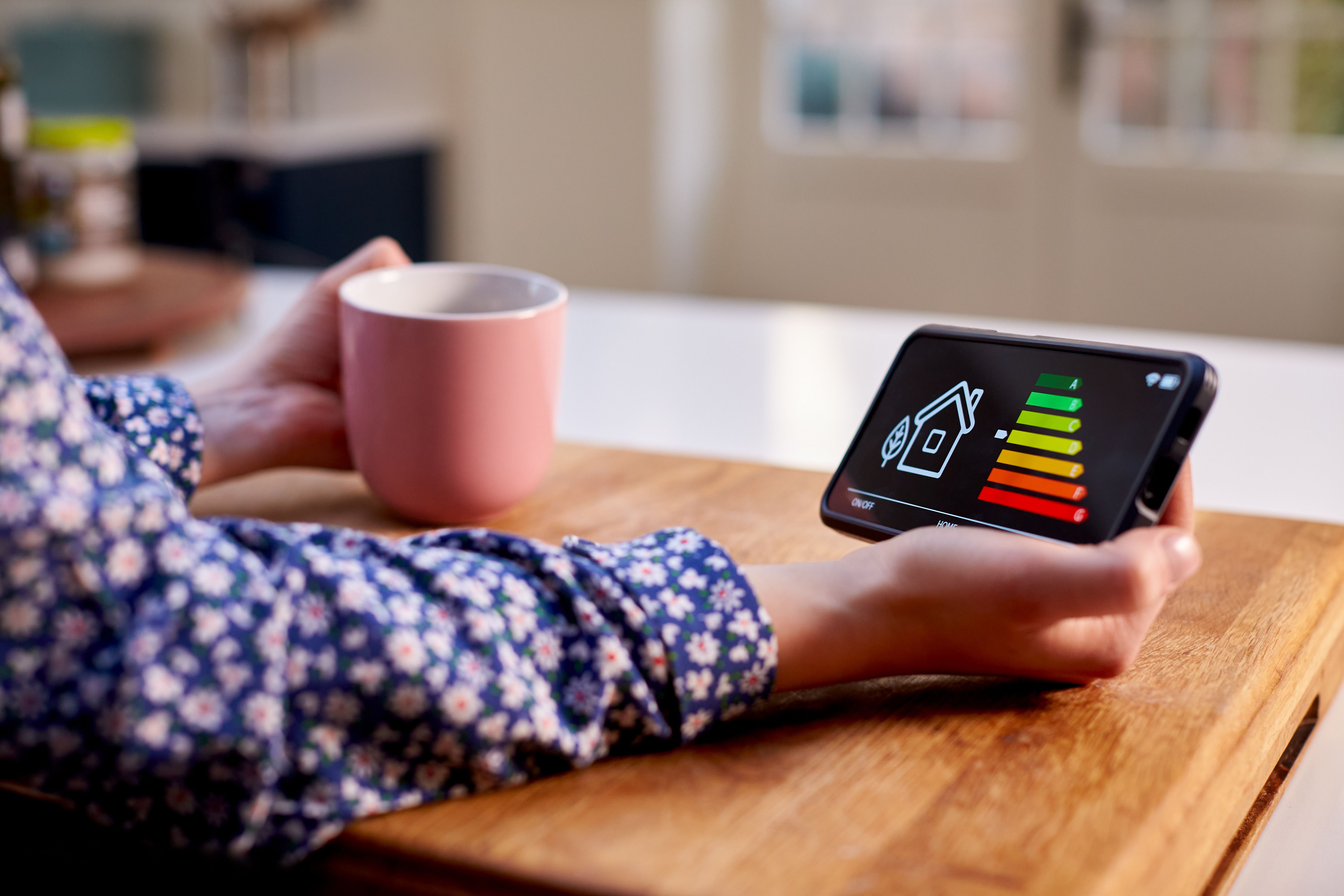
The future of housing lies in innovative, sustainable solutions. As the world becomes more conscious of environmental impact, the demand for prefabricated homes is expected to rise. These homes not only provide a practical solution to modern housing needs but also align with global sustainability goals.
With advancements in technology and design, prefabs will continue to evolve, offering even more efficient and aesthetically pleasing options. It's clear that prefabricated homes are not just a trend but a viable path toward a sustainable future.
Conclusion
Modern prefabricated homes represent a shift towards more sustainable living. With their environmental benefits, cost efficiency, and design flexibility, they offer a compelling alternative to traditional housing. As the industry continues to innovate, prefabricated homes are poised to play a major role in the future of sustainable housing.