Prefabricated Homes vs. Traditional Homes: Making the Right Choice


Understanding Prefabricated Homes
Prefabricated homes, often referred to as prefab homes, are constructed in a factory setting before being transported and assembled on-site. This method of construction has gained popularity due to its efficiency and cost-effectiveness. Prefab homes can be built significantly faster than traditional homes, often in a matter of weeks.
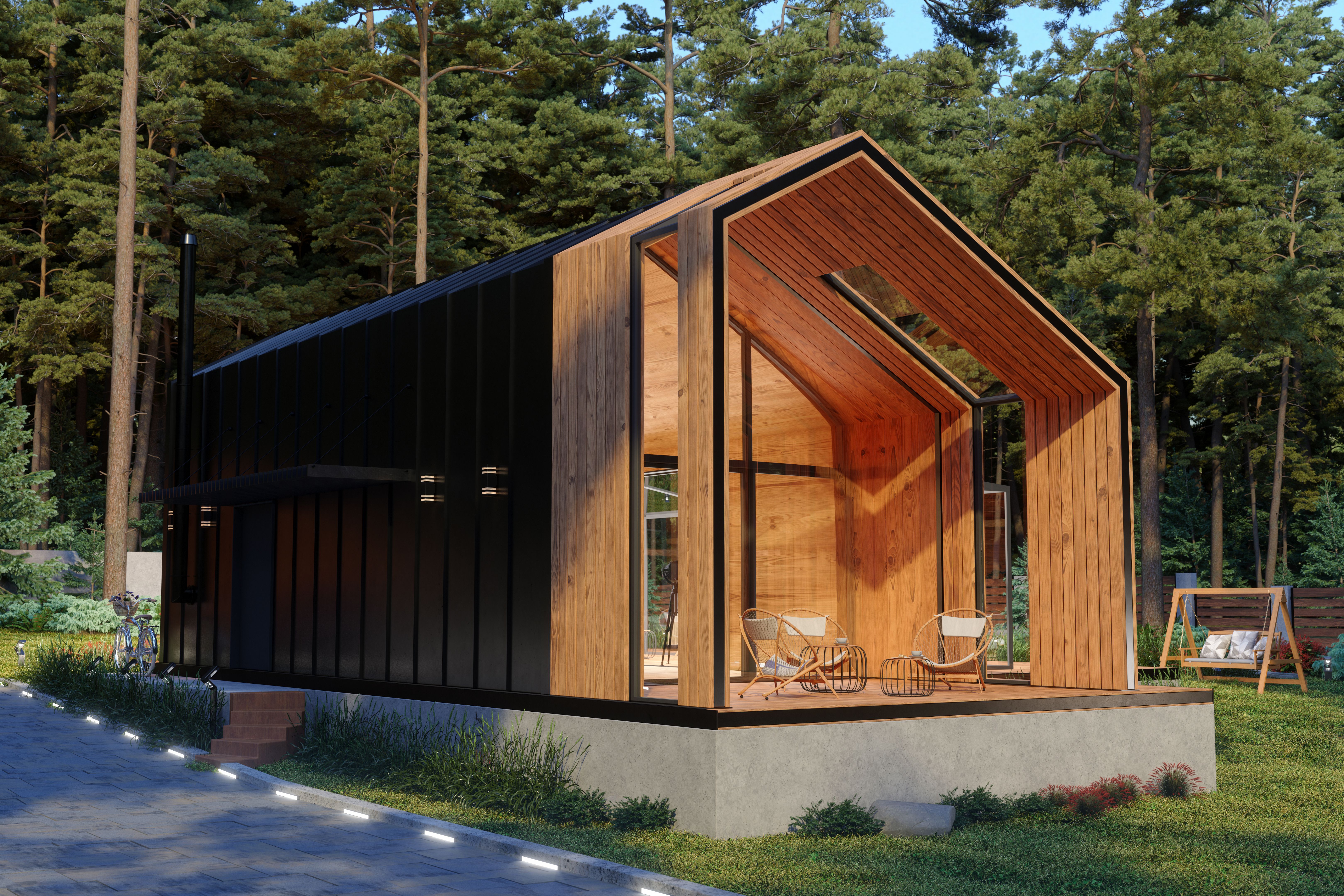
There are various types of prefab homes, including modular, panelized, and manufactured homes. Each type offers unique benefits, such as enhanced customization and environmental sustainability. With advancements in technology, prefab homes can now be designed to meet specific aesthetic and functional requirements, making them a viable option for many homebuyers.
Exploring Traditional Homes
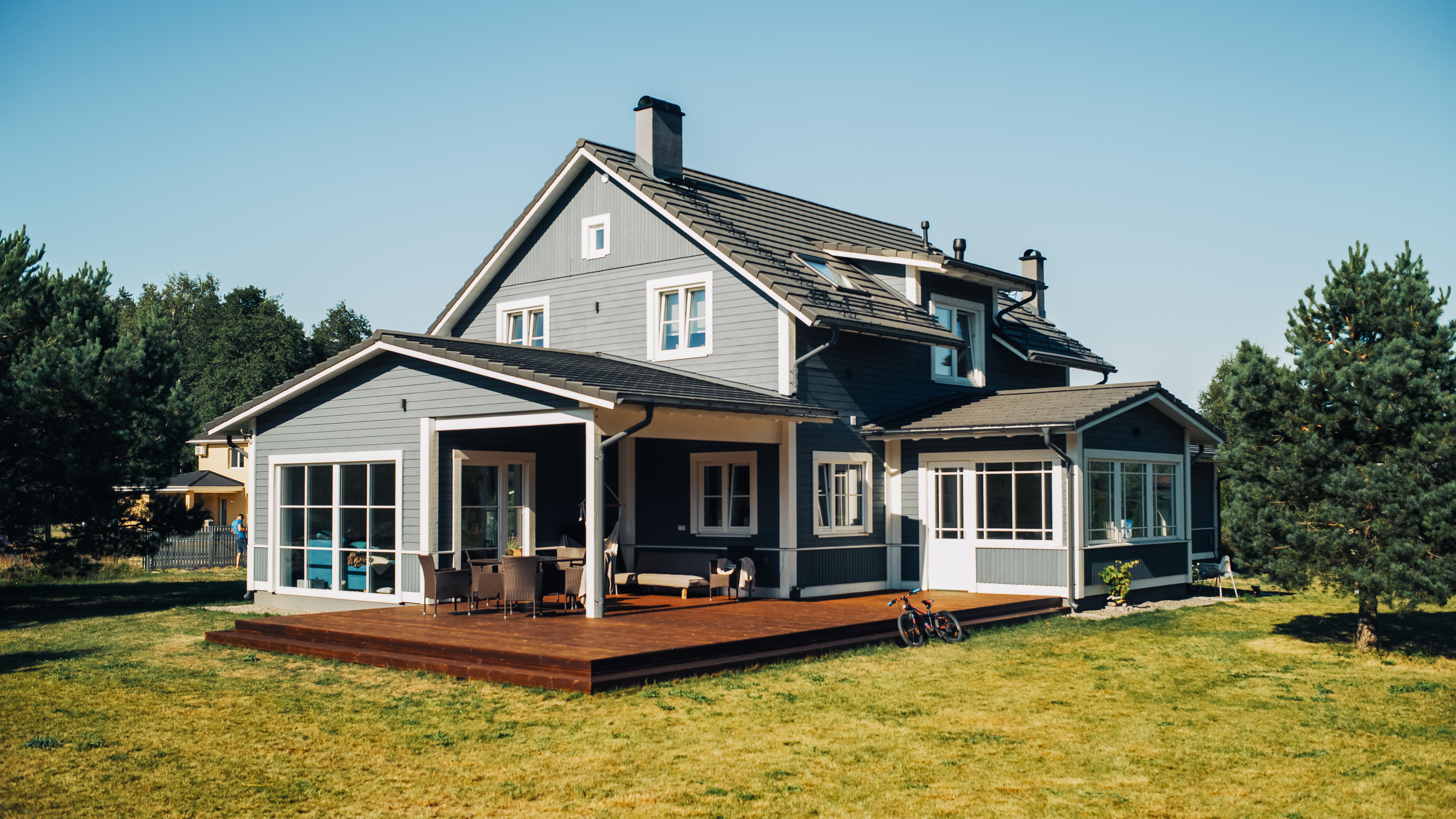
Traditional homes are built entirely on-site using conventional construction methods. This approach allows for complete customization and offers a broader range of architectural styles. While the construction process can be lengthy, often taking several months to over a year, traditional homes provide a sense of permanence and stability that many homeowners value.
One of the primary advantages of traditional homes is their durability. Built to withstand various environmental conditions, they often come with fewer restrictions in terms of design and layout. However, this level of customization and quality can come at a higher cost compared to prefab alternatives.
Comparing Costs and Timeframes
Cost is a significant factor for most homebuyers. Prefabricated homes typically offer a more affordable option, as the controlled factory environment reduces waste and labor costs. On the other hand, traditional homes can be more expensive due to the need for skilled labor and on-site construction complexities.
When it comes to timeframes, prefab homes have the upper hand. Their construction can be completed much faster, which is ideal for those looking to move in quickly. Traditional homes require a longer build time, which can be a drawback for those eager to settle into their new home.
Environmental Impact
In today's world, environmental considerations are crucial. Prefabricated homes are often seen as more sustainable due to their efficient use of materials and reduced waste. The factory setting allows for better recycling practices and less environmental disruption during the building process.

Traditional homes, while generally more resource-intensive, can be constructed using eco-friendly materials and techniques. Homeowners have the option to incorporate sustainable features, such as solar panels and high-efficiency systems, though these may increase the overall cost.
Making the Right Choice
Deciding between a prefabricated and a traditional home depends on several factors, including budget, time constraints, and personal preferences. If affordability and quick construction are top priorities, prefab homes might be the ideal choice. However, if customization, architectural variety, and long-term investment matter more, traditional homes could be the better option.
Ultimately, both types of homes have their unique advantages and drawbacks. It's essential to consider your specific needs and goals when making this significant decision. By weighing the pros and cons, you can find a home that fits your lifestyle and aspirations.