Modern Prefabricated Homes vs. Traditional Homes: A Comparative Guide


Introduction to Prefabricated and Traditional Homes
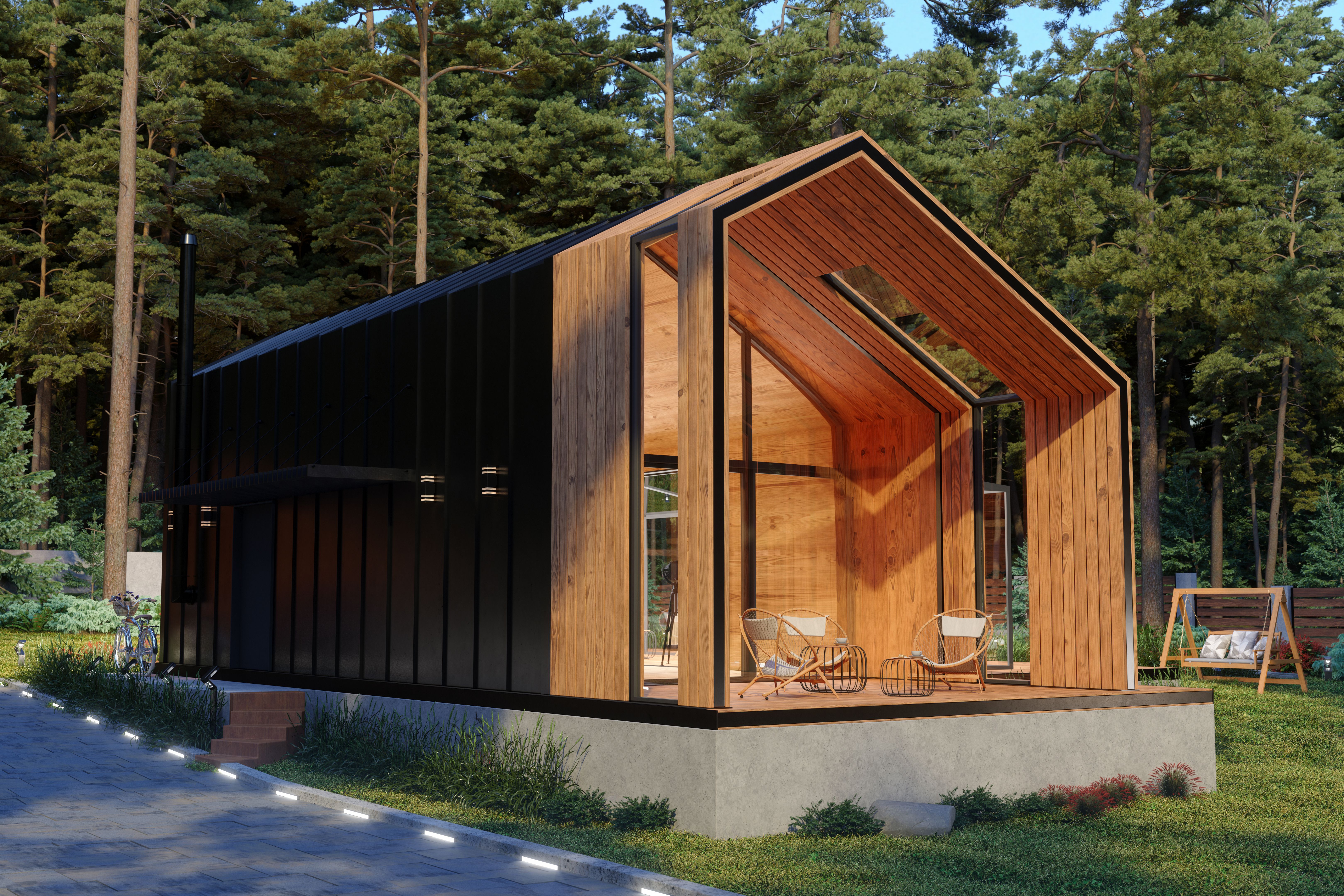
In recent years, the housing market has seen a significant shift towards modern prefabricated homes. These homes, often referred to as "prefabs," are built in sections at a factory and then transported to the construction site for assembly. On the other hand, traditional homes are built entirely on-site, using conventional construction methods. This comparative guide will explore the key differences between these two types of homes, helping prospective homeowners make informed decisions.
Construction Time and Efficiency
One of the most compelling advantages of prefabricated homes is the reduced construction time. Since the components are pre-built in a controlled factory environment, weather delays are minimized, allowing for a quicker turnaround. Typically, a prefab home can be assembled on-site in a matter of weeks.
In contrast, traditional homes require a longer construction period. Factors such as weather, labor availability, and material supply can significantly impact the timeline, often stretching to several months. However, traditional homes offer more flexibility in design adjustments during the building process.
Cost Considerations
Cost is often a decisive factor when choosing between prefabricated and traditional homes. Prefabricated homes generally offer cost savings due to bulk purchasing of materials and reduced labor costs. The factory setting allows for streamlined operations, which can lead to lower expenses overall.
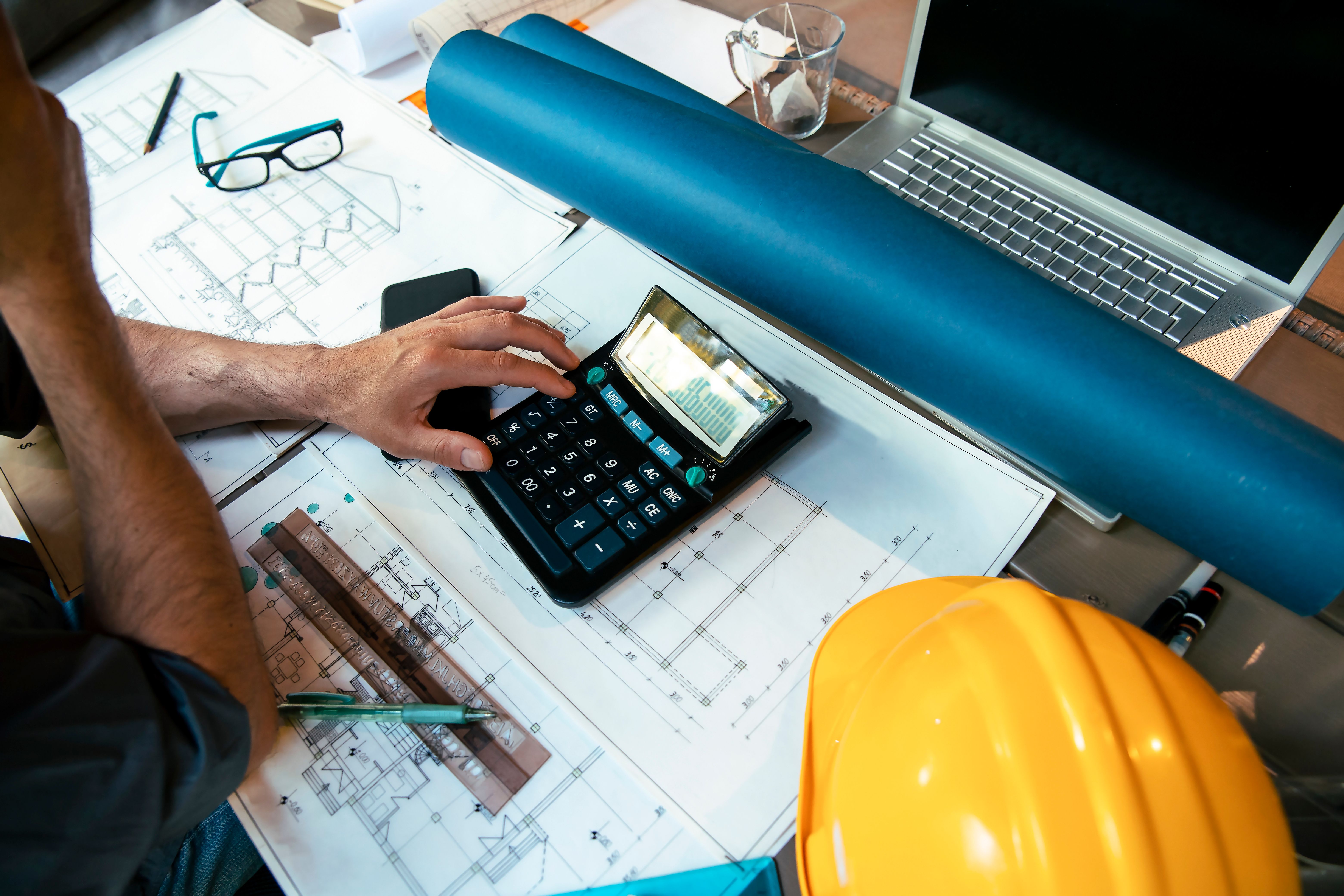
Traditional homes, while potentially more expensive, provide the advantage of customizable designs and high-end finishes. The costs can vary widely depending on location, materials, and labor, offering homeowners a broader range of options to fit their budget.
Design and Customization
When it comes to design, prefabricated homes have made significant strides. Modern prefabs offer a variety of styles and layouts, with some companies providing bespoke designs to meet specific client needs. However, the level of customization may still be less than what traditional construction can offer.
Traditional homes shine in the realm of customization. Builders can work closely with architects to create unique designs tailored to the owner's preferences, incorporating intricate details and personalized touches that are harder to achieve with prefabricated homes.
Environmental Impact
Sustainability is becoming increasingly important for homebuyers. Prefabricated homes often have a smaller environmental footprint due to efficient use of materials and reduced waste during production. The controlled factory environment also allows for better energy efficiency standards.
Traditional homes, while sometimes less eco-friendly in terms of construction waste, can incorporate sustainable practices. By choosing eco-friendly materials and renewable energy sources, traditional homes can also achieve a high level of sustainability.
Conclusion: Making the Right Choice
Deciding between a prefabricated and a traditional home depends on various factors, including budget, timeline, design preferences, and environmental concerns. Prefabricated homes offer efficiency and potential cost savings, while traditional homes provide customization and flexibility. By understanding the distinctions outlined in this guide, prospective homeowners can choose the option that best aligns with their needs and lifestyle.