Innovations in Modern Housing Design: The Future of Prefabricated Homes


In recent years, the landscape of housing design has undergone a remarkable transformation, driven by technological advancements and a growing emphasis on sustainability. Among the most exciting developments is the rise of prefabricated homes, which are redefining the possibilities of modern living.
The Rise of Prefabricated Homes
Prefabricated homes, often referred to as prefab homes, are constructed using components manufactured off-site, which are then transported and assembled at the final location. This method offers numerous advantages over traditional construction techniques, including reduced costs, faster build times, and minimized environmental impact.
These homes are becoming increasingly popular among homeowners seeking efficient and customizable living spaces. The ability to tailor designs to specific needs, combined with the speed of construction, makes prefab homes an appealing choice for many.
Technological Innovations in Prefab Design
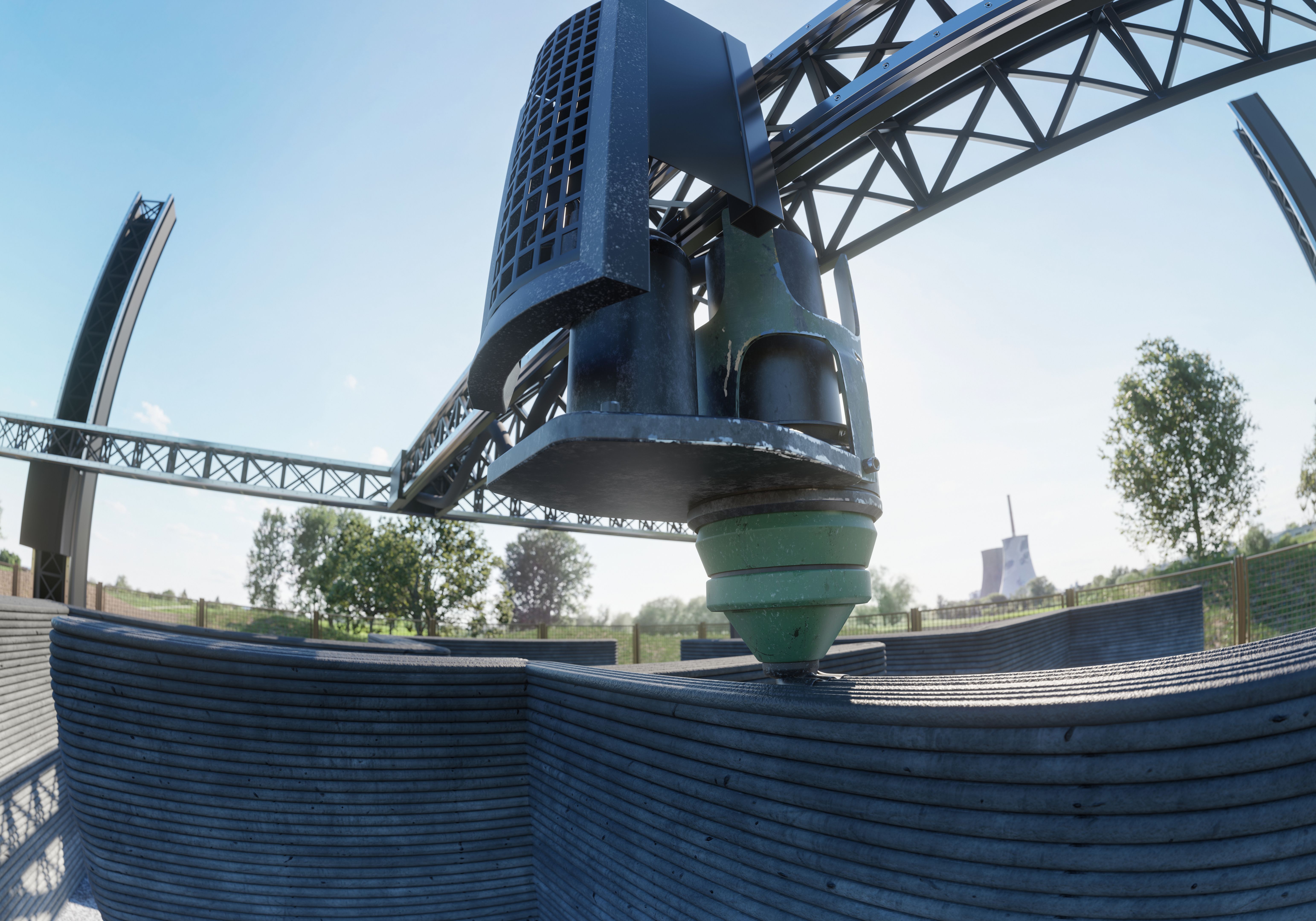
The evolution of prefab homes is closely tied to advancements in technology. Computer-aided design (CAD) and 3D printing are now integral parts of the design and manufacturing process. These technologies allow for more precise and intricate designs, offering homeowners greater flexibility and personalization.
Moreover, automation and robotics are playing a critical role in the production of prefabricated components. This not only increases efficiency but also enhances the quality and consistency of the building materials.
Sustainability and Energy Efficiency
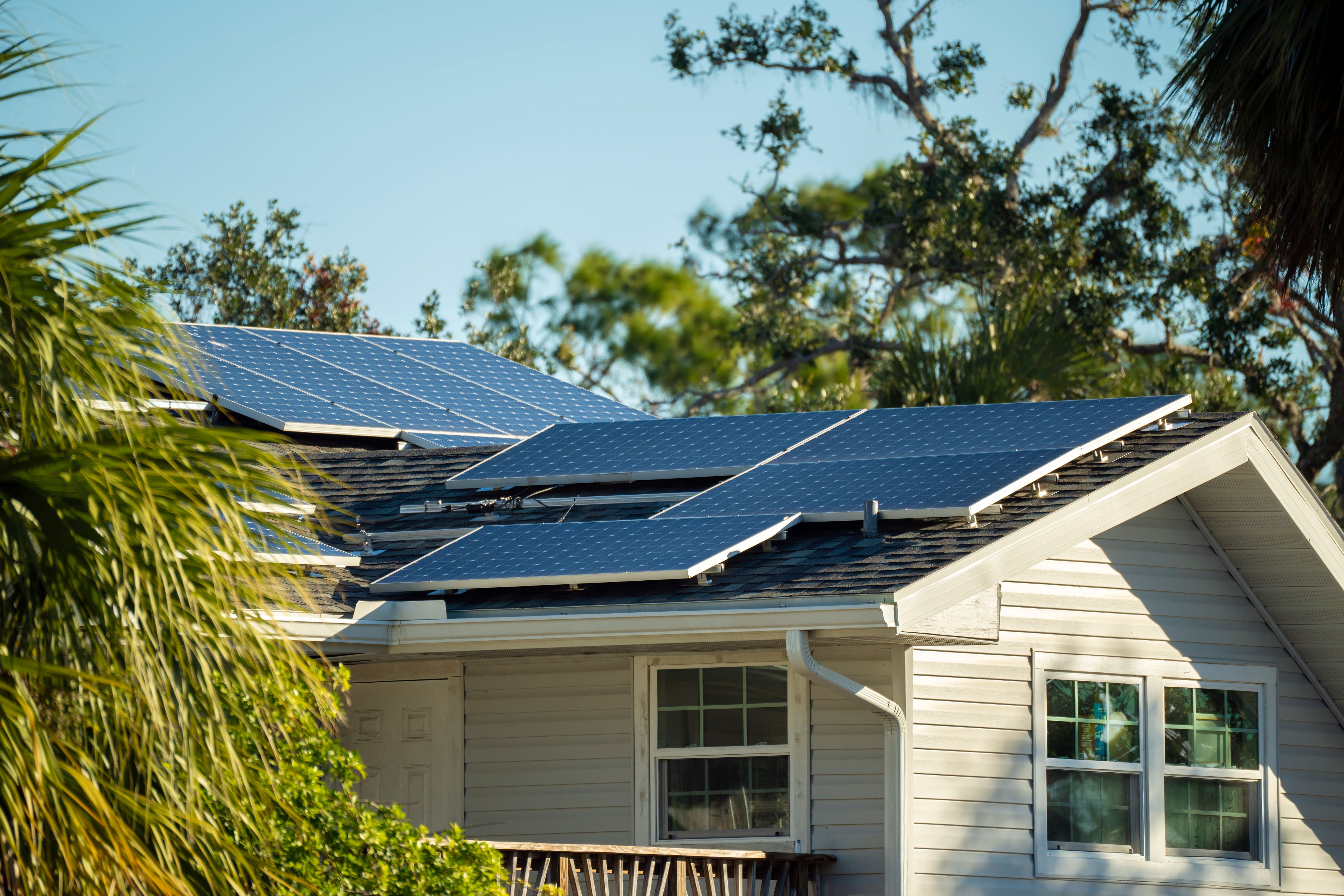
One of the most compelling aspects of modern prefabricated homes is their potential for sustainability. Many prefab homes are designed with energy-efficient features, such as solar panels, high-quality insulation, and energy-efficient windows. These elements significantly reduce the carbon footprint of a home, aligning with the growing demand for environmentally responsible living.
Additionally, the controlled environment in which prefab components are manufactured reduces waste and allows for the use of sustainable materials, further contributing to a home's eco-friendliness.
Design Flexibility and Aesthetic Appeal
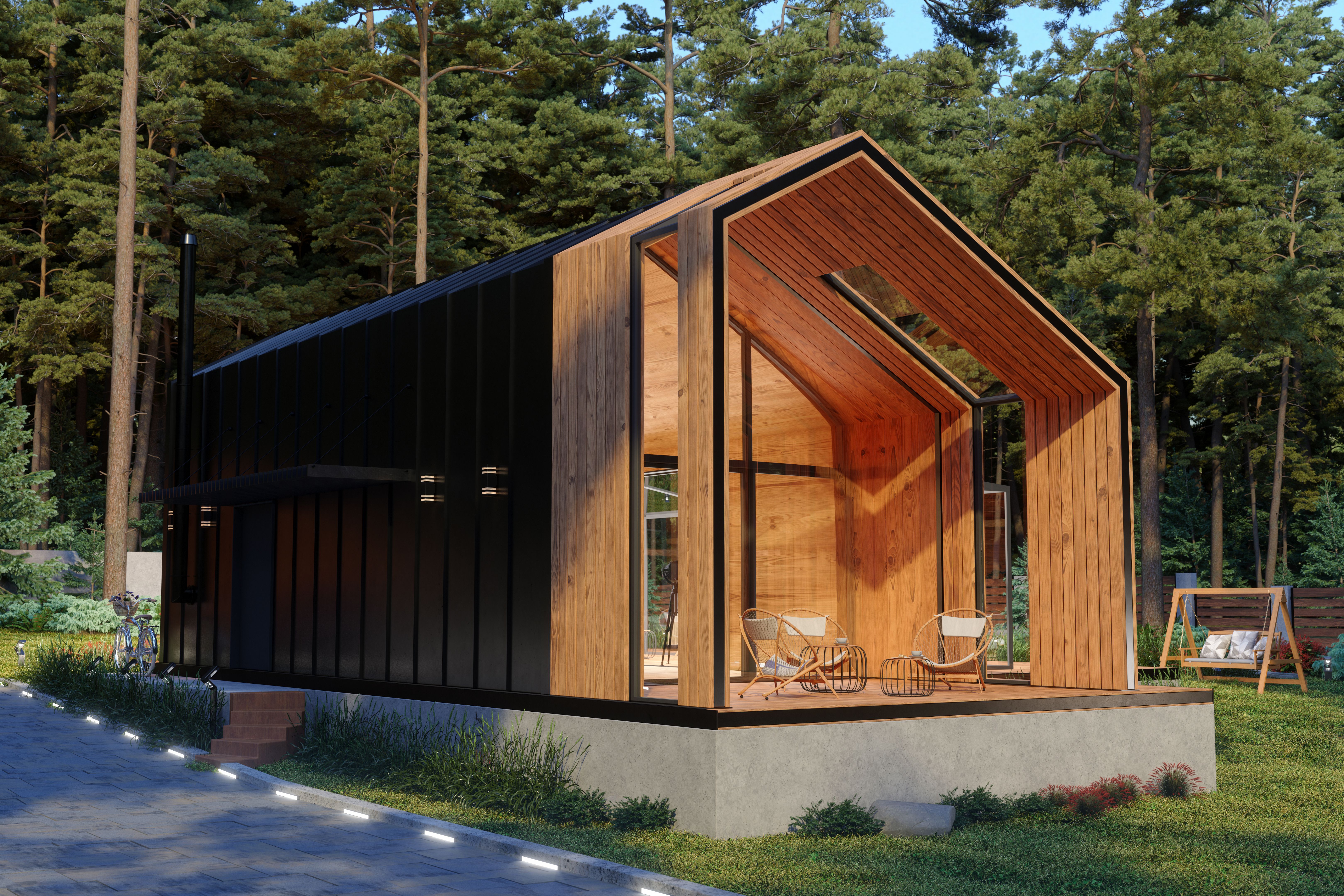
Gone are the days when prefab homes were seen as bland or uniform. Today, they can be as stylish and unique as traditionally built homes. Architects and designers are pushing the boundaries of what prefab homes can look like, creating structures that are both beautiful and functional.
The modular nature of prefab homes allows for endless design possibilities. Homeowners can choose from a variety of layouts, finishes, and features, ensuring their home reflects their personal style and preferences.
The Future of Prefabricated Homes
As the demand for affordable, sustainable, and customizable housing continues to grow, the future of prefabricated homes looks incredibly promising. Innovations in materials, design, and technology will likely continue to enhance the appeal and functionality of these homes.
With the potential to address housing shortages and environmental concerns, prefab homes represent a significant step forward in the evolution of residential architecture. As we look to the future, it is clear that prefabricated homes will play a vital role in shaping the way we live.