Innovations in Modern Housing Design: A Look into the Future


Embracing Smart Technology
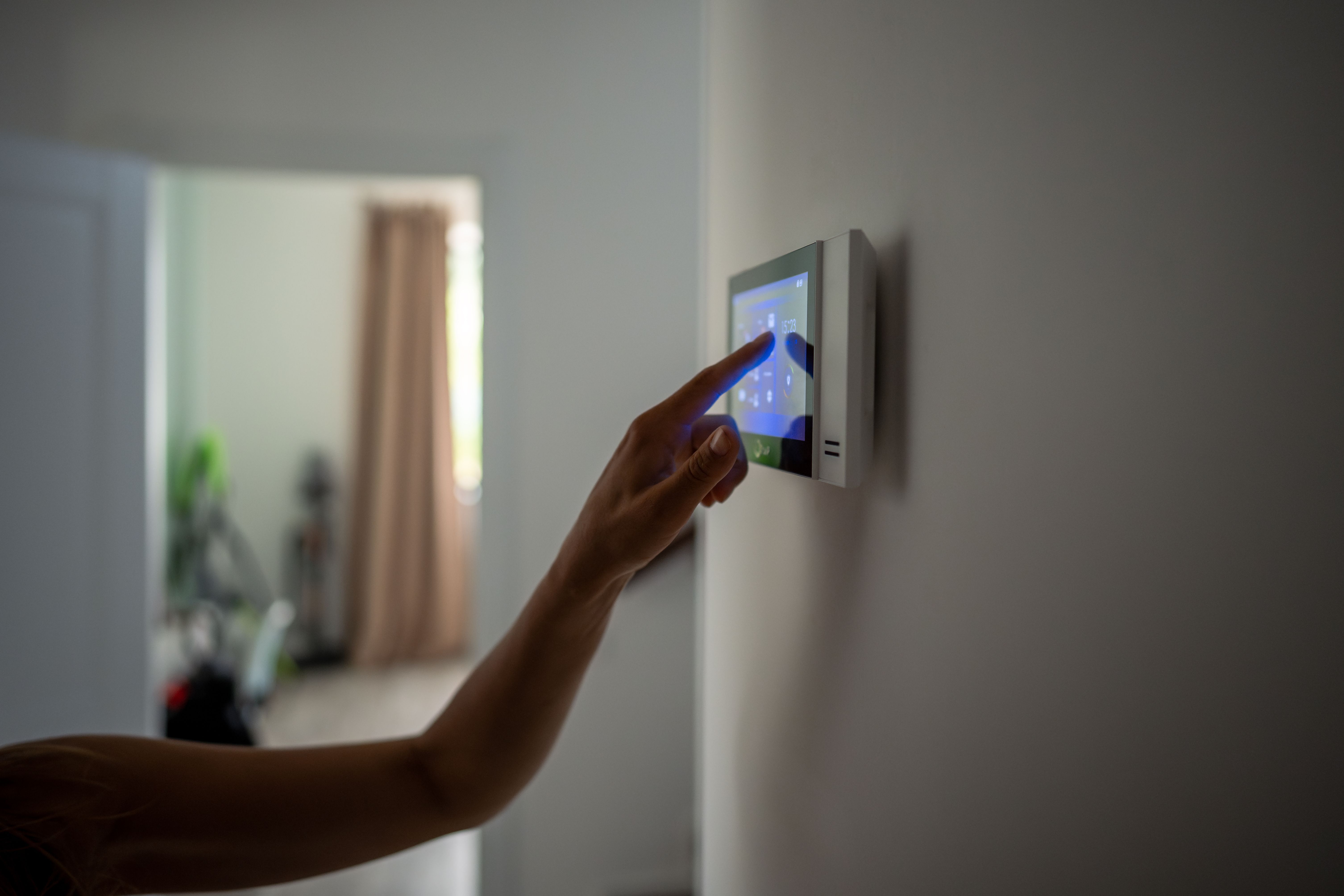
Modern housing design is rapidly evolving with the integration of smart technology. Homes are now equipped with intelligent systems that allow residents to control lighting, temperature, and security from their smartphones. This technological revolution not only enhances convenience but also contributes to energy efficiency.
Smart thermostats, for instance, learn user preferences and adjust heating and cooling automatically, reducing energy consumption. Similarly, smart lighting systems can adapt to natural light levels, saving on electricity costs. These innovations make homes more sustainable and user-friendly.
Sustainability at the Forefront
Environmental consciousness is a significant trend in modern housing design. Builders are increasingly using sustainable materials such as bamboo, recycled steel, and reclaimed wood. These materials reduce the carbon footprint and promote a healthier living environment.
Moreover, the incorporation of green roofs and solar panels is becoming more common. Green roofs help insulate homes, while solar panels provide a renewable energy source. These features not only contribute to sustainability but also offer financial benefits by reducing utility bills.
Energy-Efficient Appliances
Modern homes are equipped with energy-efficient appliances that further enhance sustainability. From refrigerators to washing machines, these appliances use less energy, reducing both environmental impact and household expenses. Many of these appliances come with energy ratings, helping consumers make informed decisions.
Flexible and Adaptive Spaces
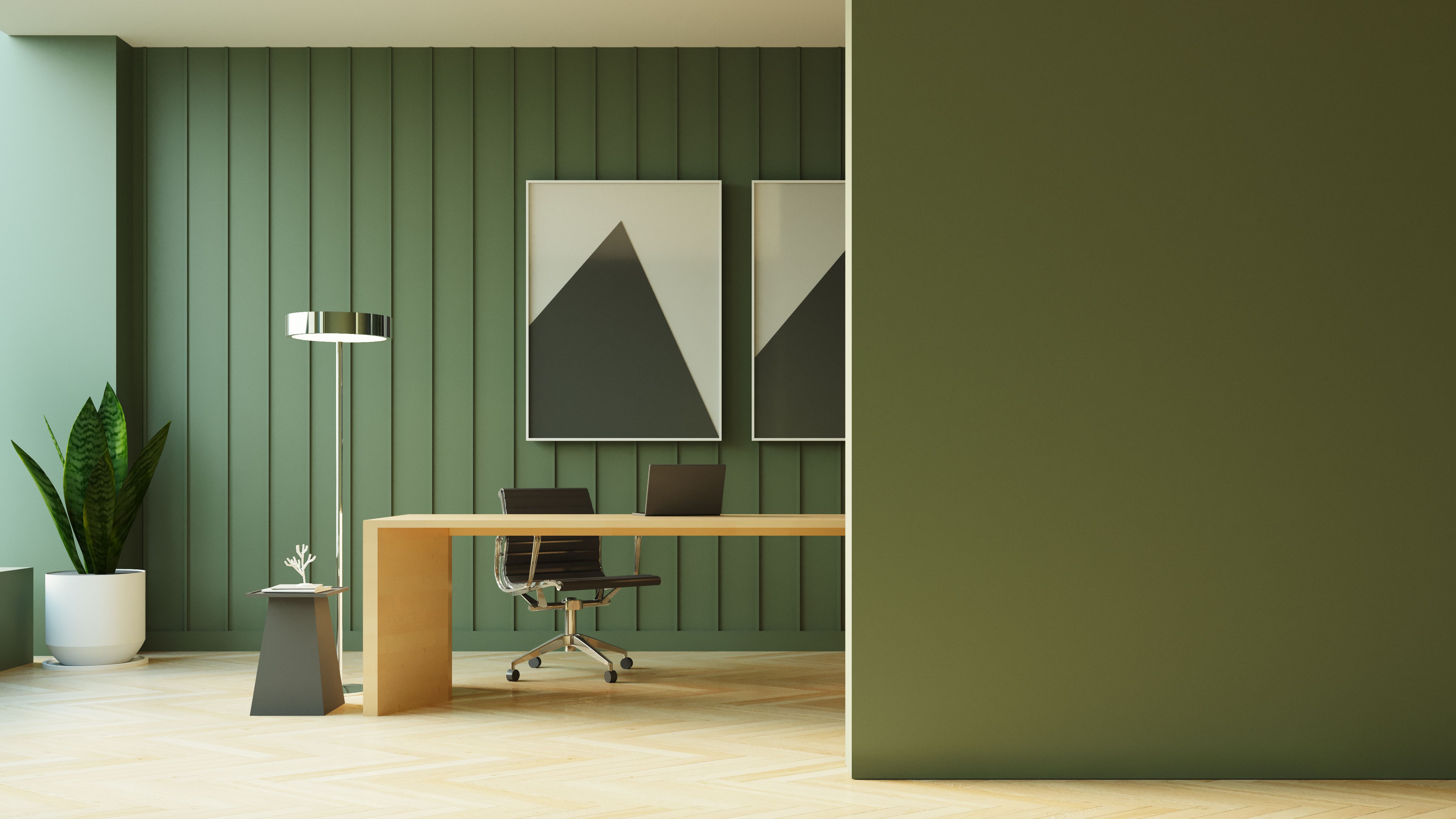
As lifestyles change, the demand for flexible and adaptive spaces in homes has grown. Open floor plans allow for multifunctional areas that can be easily reconfigured to meet different needs. This design approach is perfect for remote work, entertaining, and family activities.
Movable walls and modular furniture are also becoming popular, allowing homeowners to transform spaces with minimal effort. These innovations cater to the evolving needs of modern families, offering both functionality and style.
Biophilic Design Elements
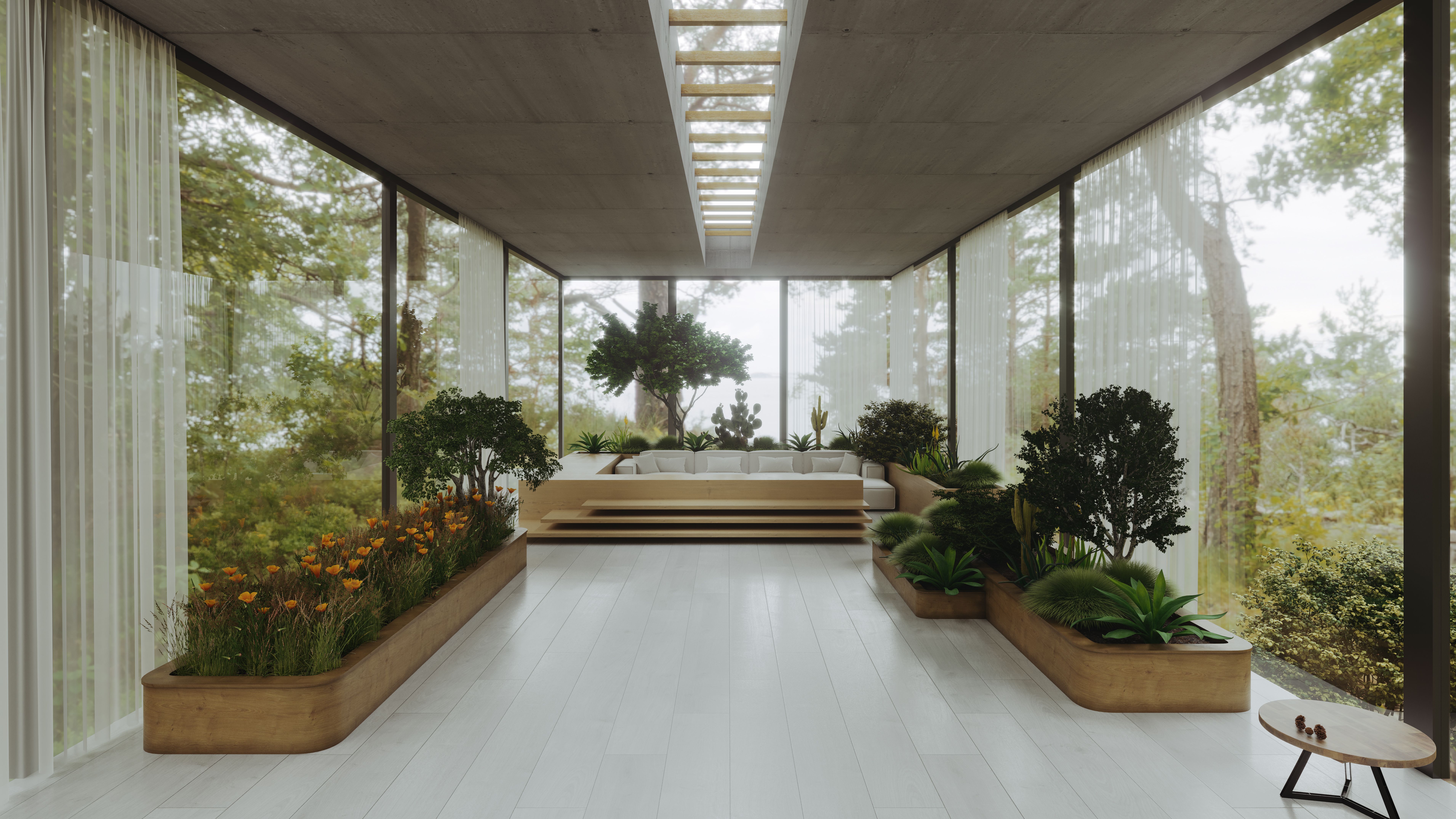
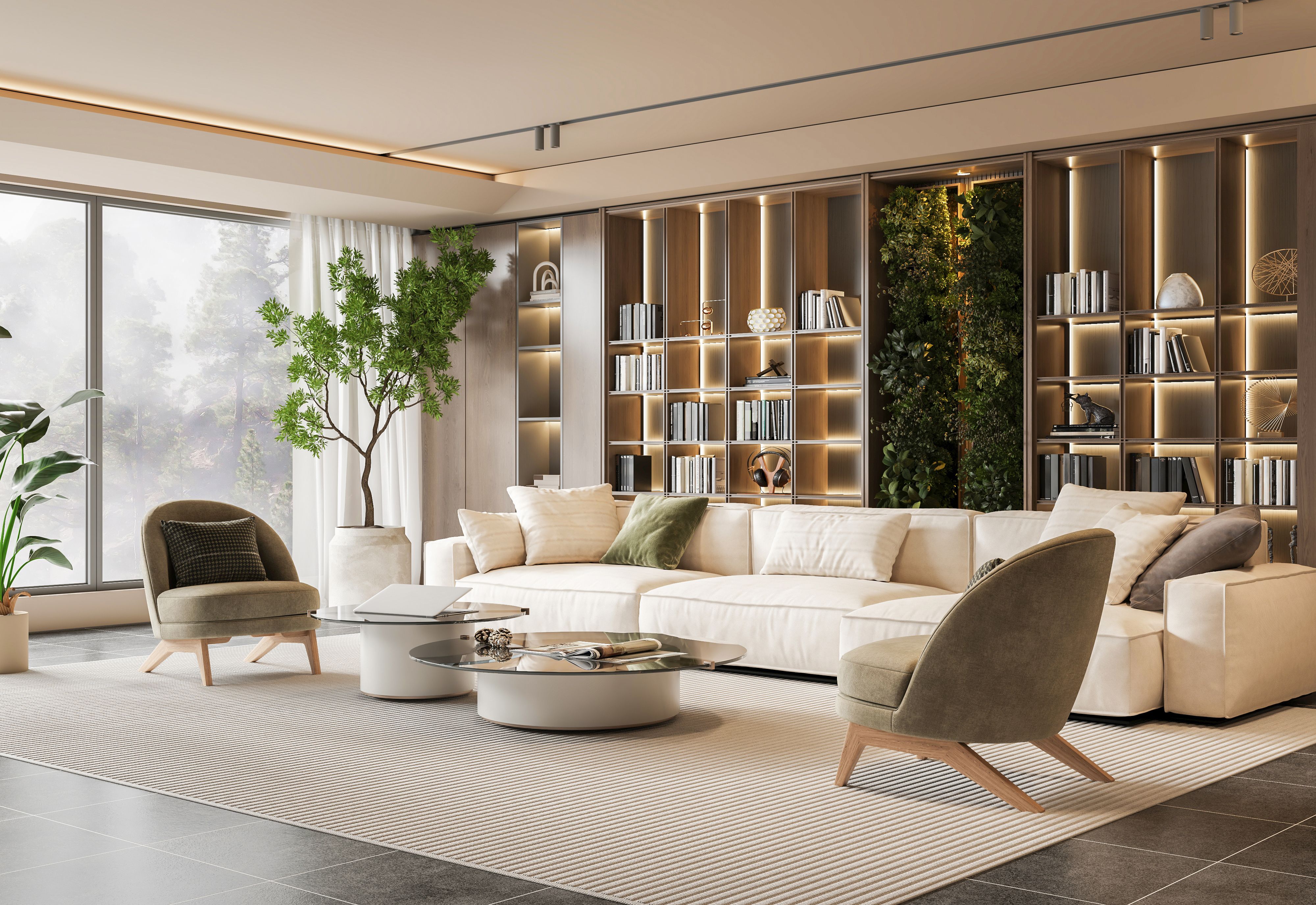
Biophilic design aims to connect residents with nature, enhancing well-being and comfort. Incorporating natural elements such as indoor plants, natural light, and water features can create a calming environment. This design principle is rooted in the idea that humans have an innate connection to nature.
Large windows, skylights, and indoor gardens are common features in biophilic design, allowing natural light to flood into living spaces. These elements not only improve air quality but also contribute to mental health by reducing stress and increasing productivity.
Natural Materials and Textures
Using natural materials and textures, such as stone and wood, further enhances the biophilic experience. These materials bring warmth and authenticity to the home, creating a harmonious balance between the built environment and the natural world.
Conclusion
Innovations in modern housing design are shaping the future of living spaces, focusing on technology, sustainability, flexibility, and a connection to nature. As these trends continue to evolve, they promise to create homes that are not only beautiful and functional but also environmentally responsible and adaptable to the changing needs of society.