Exploring Trends in Home Design: What’s Shaping the Future of Prefabricated Homes


Introduction to Prefabricated Homes
Prefabricated homes, often referred to as prefab homes, have been gaining traction as a modern solution to housing needs. These homes are not only cost-effective but also offer a blend of sustainability and style. As the demand for these homes rises, several trends are shaping their future, making them a fascinating subject for homeowners and designers alike.
Sustainability and Eco-Friendly Designs
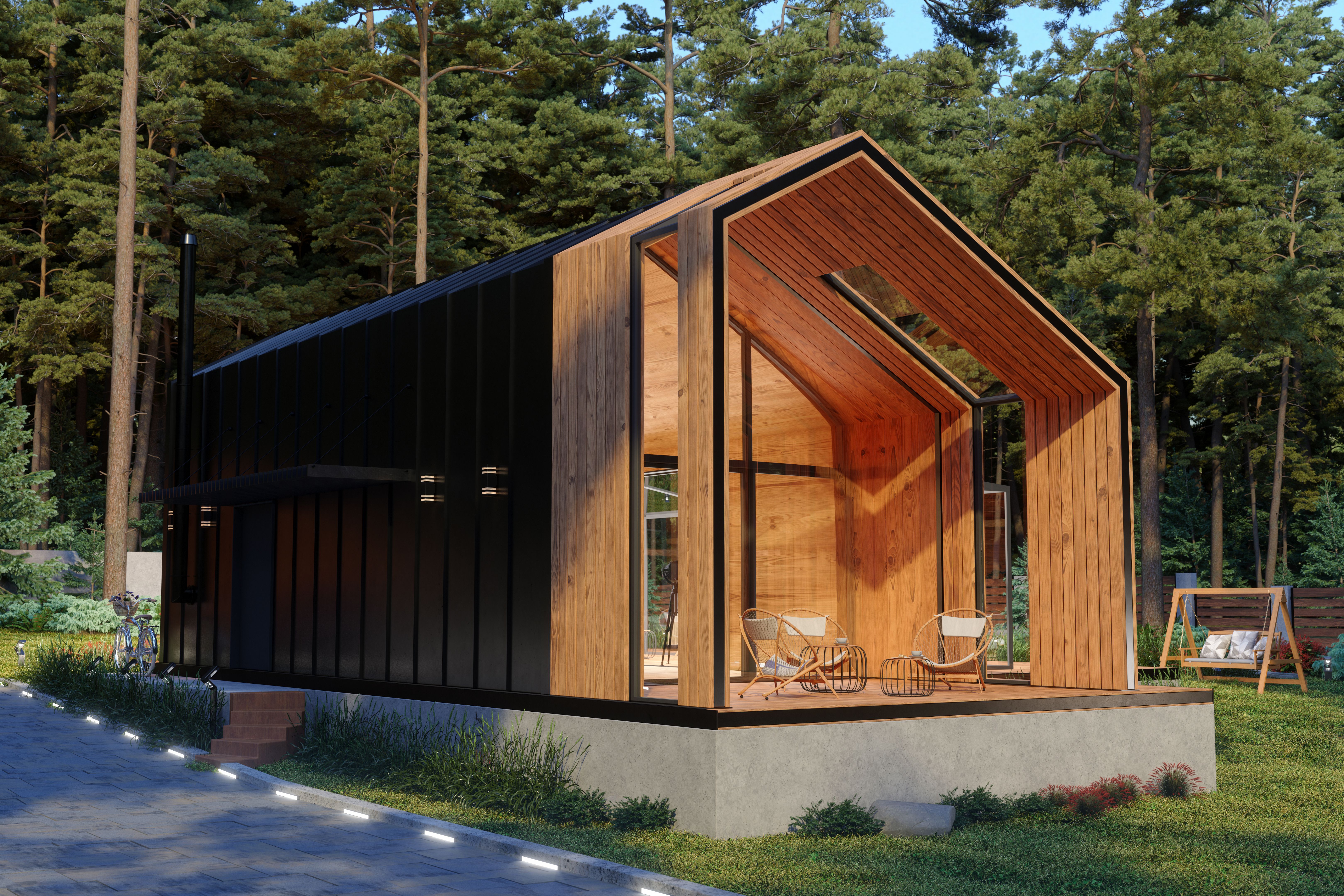
One of the most significant trends in prefabricated homes is the emphasis on sustainability. Manufacturers are increasingly using eco-friendly materials and energy-efficient technologies. This trend aligns with the growing awareness of environmental impact and the desire to reduce carbon footprints.
Many prefab homes now come with solar panels, rainwater harvesting systems, and energy-efficient appliances. These features not only lower utility bills but also help in conserving natural resources, making them a popular choice among environmentally conscious buyers.
Customization and Personalization
Gone are the days when prefabricated homes were seen as cookie-cutter solutions. Today, customization is at the forefront, allowing homeowners to infuse their personal style into the design. From floor plans to finishing materials, the level of personalization available is impressive.
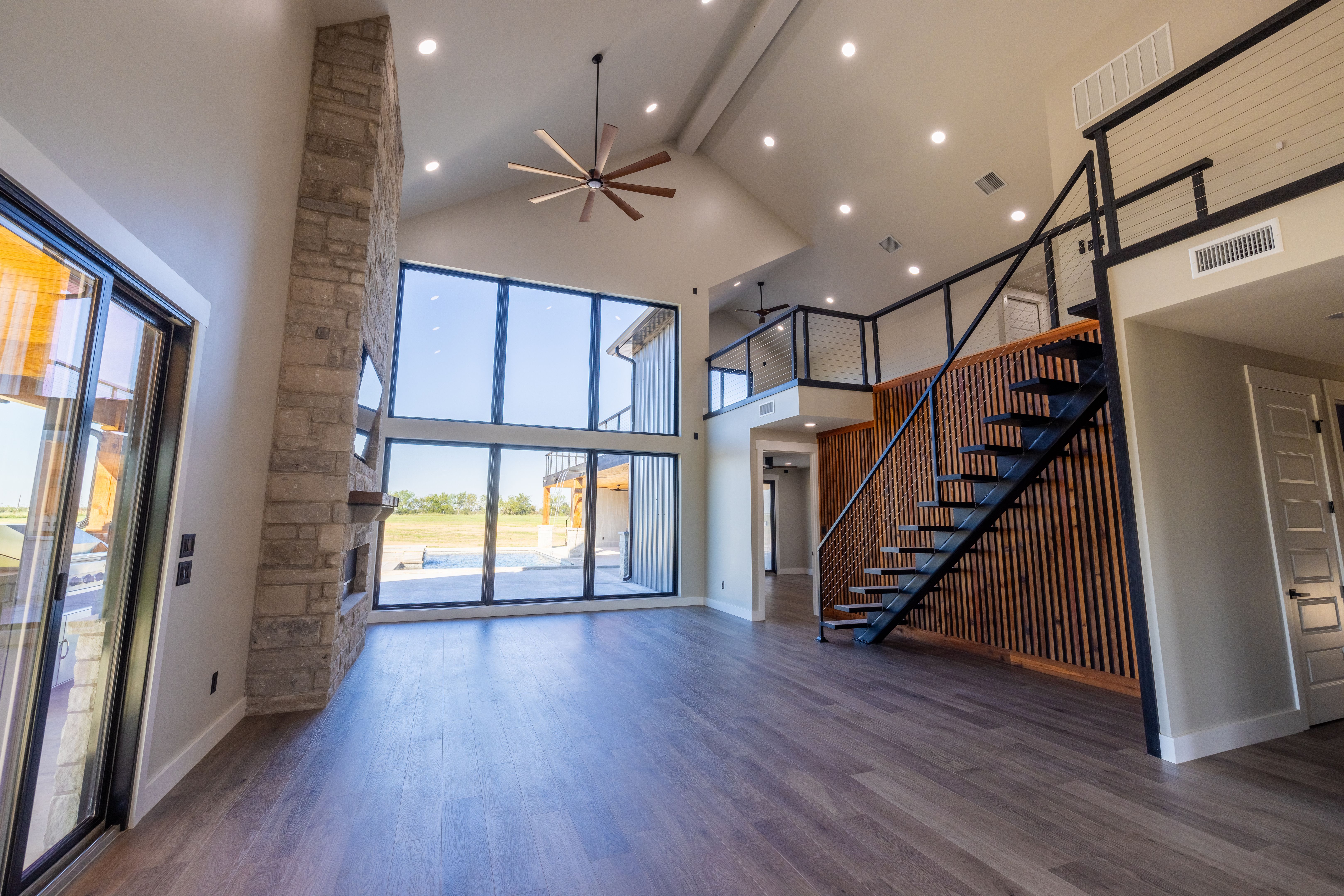
Advancements in technology have made it easier for manufacturers to offer bespoke solutions. As a result, homeowners can choose unique layouts, materials, and finishes that suit their preferences and lifestyle.
Innovative Technologies in Construction
Another trend shaping the future of prefabricated homes is the integration of innovative construction technologies. Techniques such as 3D printing and modular construction are revolutionizing the way these homes are built, offering faster and more efficient building processes.
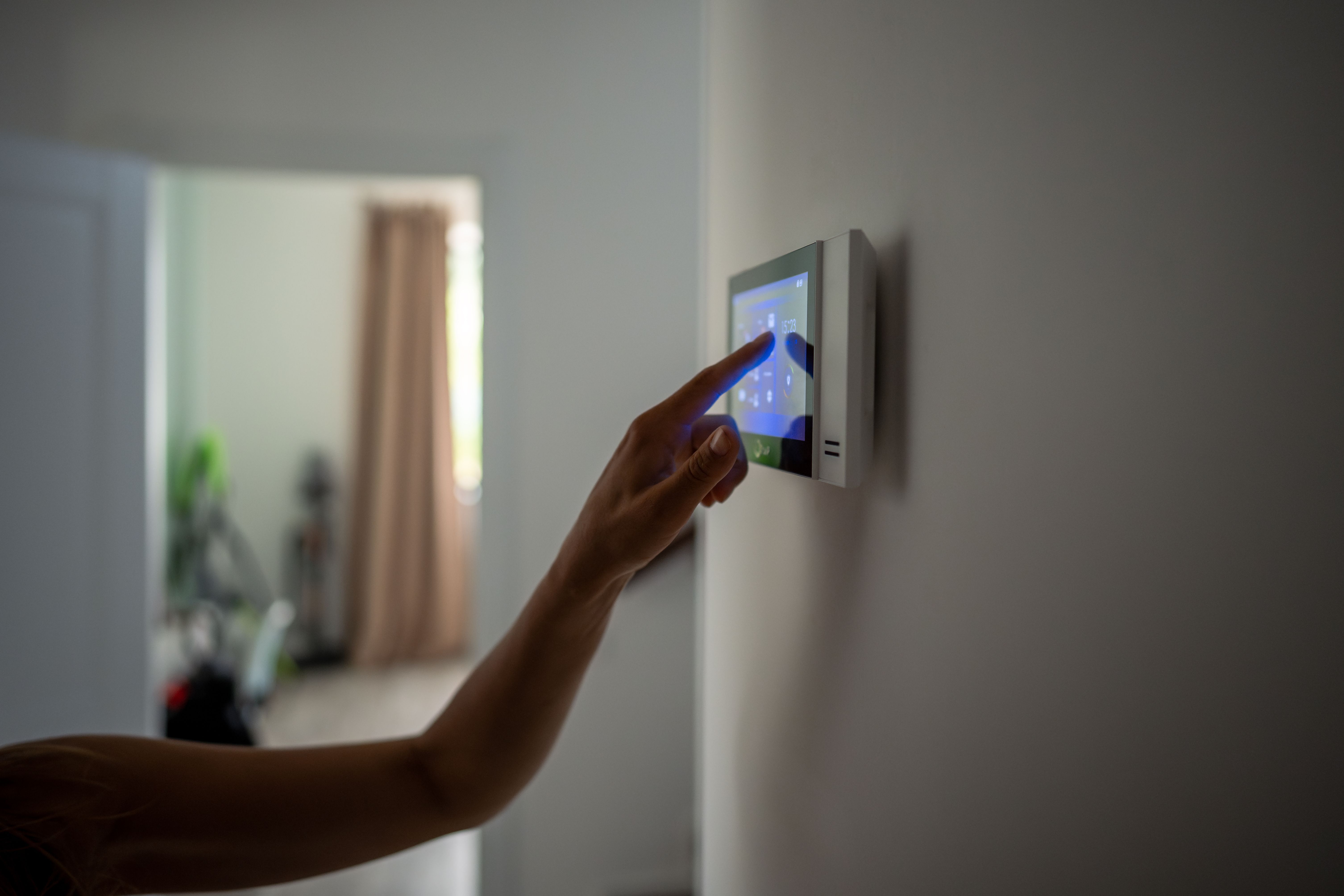
The use of smart home technology is also on the rise, with prefab homes increasingly incorporating automation systems that enhance convenience and security. This modernization not only improves functionality but also increases the overall appeal of these homes.
Minimalist and Modern Aesthetic
Prefabricated homes are embracing a minimalist and modern aesthetic, resonating with contemporary design trends. Clean lines, open spaces, and the use of natural light are becoming standard features. This trend not only enhances the living experience but also maximizes the use of available space.
Homeowners are also opting for neutral color palettes and sustainable materials like bamboo and recycled steel, which complement the minimalist design philosophy.
Affordability and Accessibility
Despite the advancements and customization options, prefabricated homes remain an affordable housing solution. They offer a cost-effective alternative to traditional building methods, making homeownership accessible to a broader audience.
The reduced construction time and labor costs contribute significantly to their affordability. Moreover, financing options for prefab homes are becoming more flexible, further supporting their growing popularity.
Conclusion
As we look to the future, the trends in prefabricated homes suggest a promising evolution in residential design. With sustainability, customization, and technology at the forefront, these homes are set to become even more appealing to a diverse range of homeowners. Whether you're an eco-conscious buyer or someone seeking modern aesthetics, prefabricated homes offer something for everyone.