Eco-Friendly Living: How Prefabricated Homes Contribute to Sustainability


Understanding Prefabricated Homes
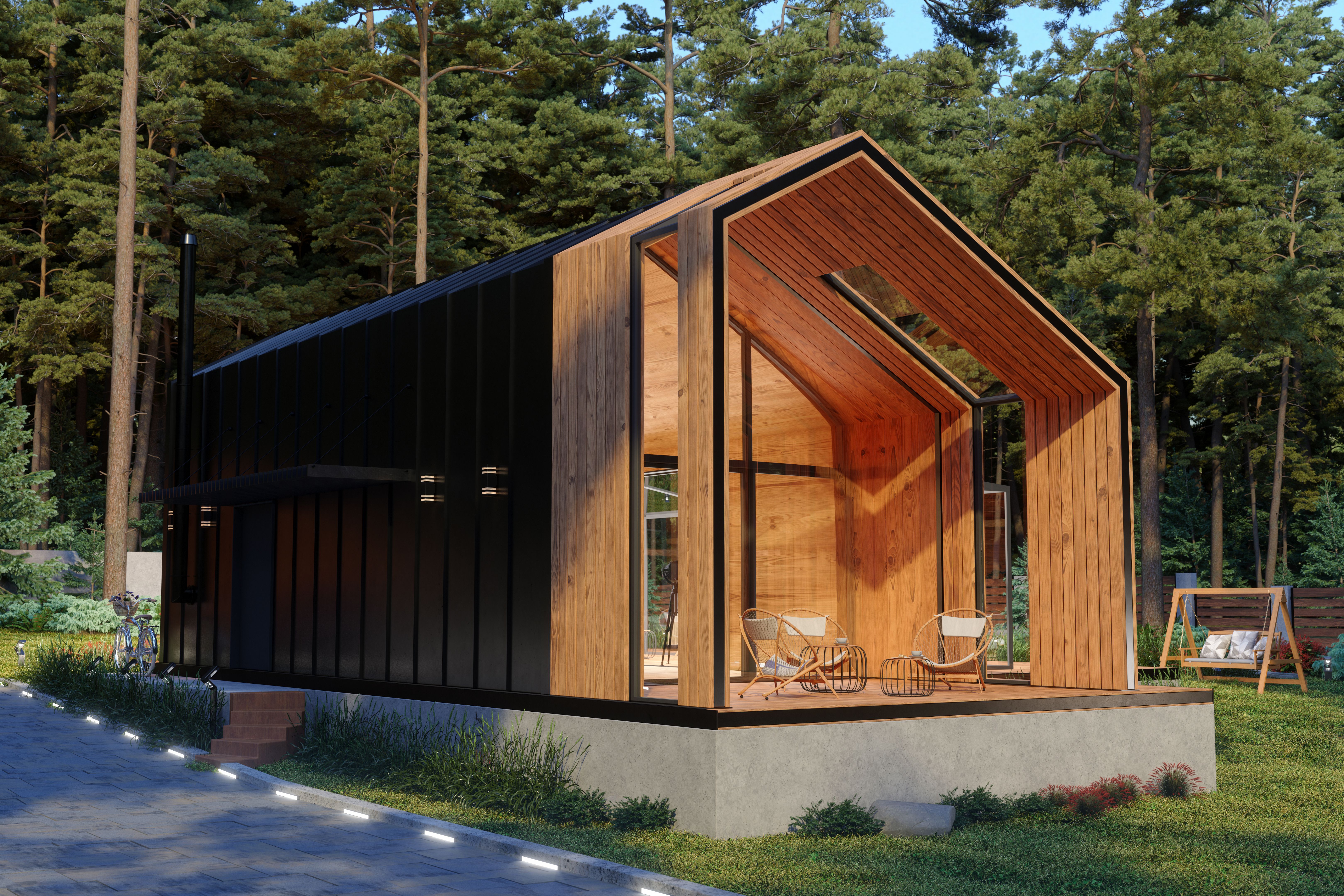
Prefabricated homes, often called prefab homes, are residences built off-site and assembled on-site. This method of construction is not only efficient but also significantly reduces waste, making it an ideal choice for those looking to live sustainably. Prefab homes come in various styles and sizes, offering flexibility without compromising on design.
Reducing Environmental Impact
One of the most significant benefits of prefabricated homes is their reduced environmental impact. By constructing homes in a controlled factory setting, builders can minimize waste and optimize resource use. This process ensures that materials are used efficiently, with any excess often being recycled for future projects.
Additionally, prefab homes often utilize sustainable materials, such as bamboo and recycled steel, further reducing their carbon footprint. Many manufacturers also strive to incorporate energy-efficient designs, including solar panels and high-quality insulation, to promote eco-friendly living.
Energy Efficiency
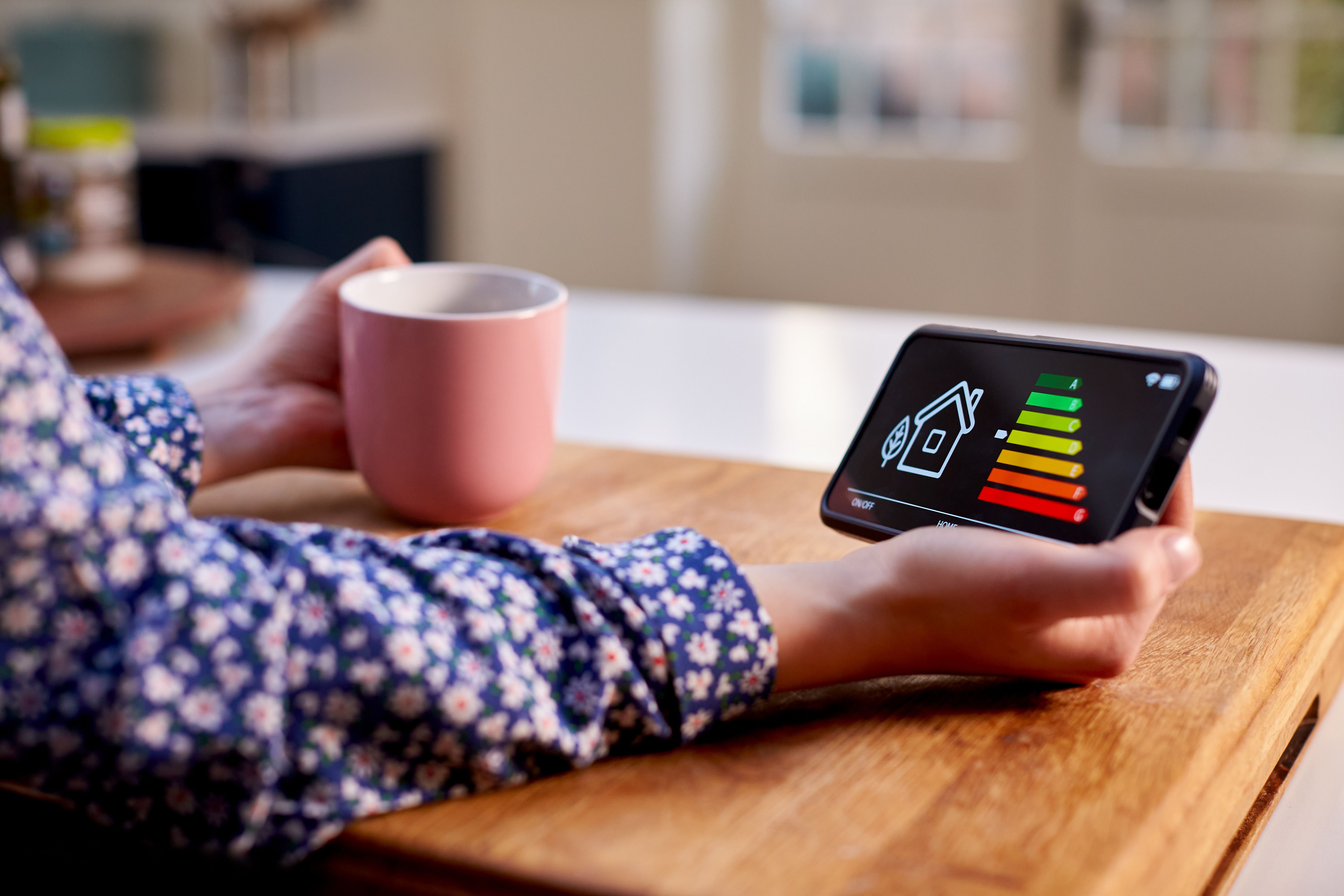
Prefabricated homes are designed with energy efficiency in mind. The precision of factory construction means that these homes often have better insulation and air sealing than traditional homes. This leads to lower energy consumption and reduced utility bills, making them an attractive option for environmentally conscious homeowners.
Sustainable Construction Practices
Another key aspect of prefab homes is the adoption of sustainable construction practices. The controlled environment of a factory allows for meticulous quality control, reducing errors and material waste. This efficiency not only benefits the environment but also results in faster build times and lower costs for homeowners.
Moreover, the modular nature of prefab homes means they can be easily updated or expanded as needed, reducing the need for new construction and its associated environmental impacts. This adaptability makes prefab homes a long-term sustainable option.
Community and Economic Benefits
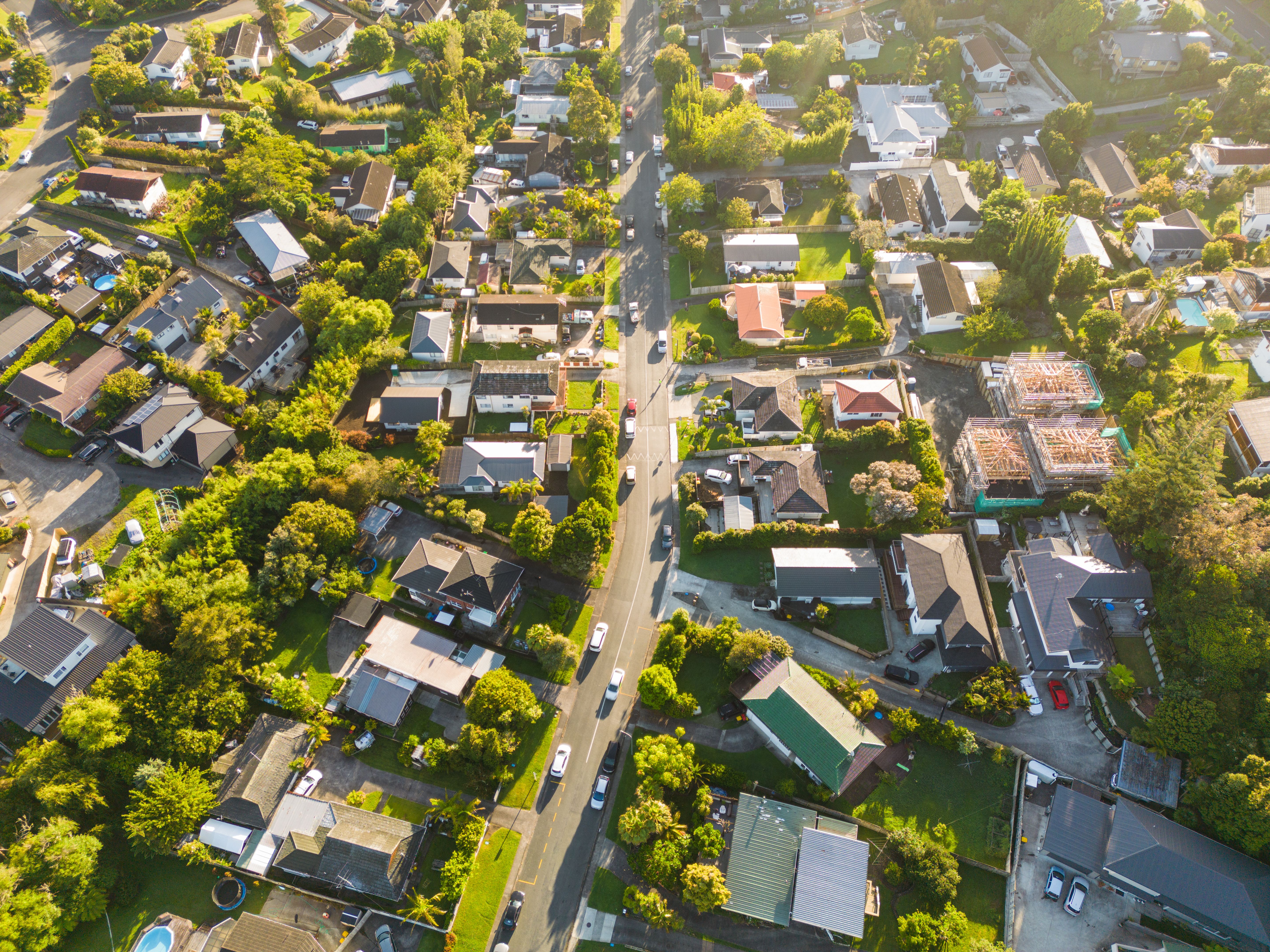
Prefabricated homes are not only beneficial for individual homeowners but also for communities and local economies. The streamlined construction process requires fewer resources, leading to reduced strain on local infrastructure. Additionally, the growth of the prefab industry has created new job opportunities in manufacturing and design.
Conclusion: A Step Towards a Greener Future
Incorporating prefabricated homes into sustainable living strategies offers numerous environmental and economic benefits. From reduced waste and energy efficiency to sustainable materials and community growth, prefab homes are paving the way for a greener future. By choosing a prefabricated home, you are not only making a conscious decision to reduce your carbon footprint but also supporting a more sustainable housing industry.