Debunking Myths About Prefabricated Homes: Quality and Design


Understanding Prefabricated Homes
In recent years, prefabricated homes have gained popularity as a cost-effective and efficient housing solution. However, several myths persist about their quality and design. This blog post aims to debunk these misconceptions and shed light on the reality of modern prefabricated homes.
Myth 1: Prefabricated Homes Are Low-Quality
One of the most common myths is that prefabricated homes are inherently low-quality. In reality, these homes are built in controlled environments with stringent quality checks. This process often results in higher quality control compared to traditional on-site construction. The materials used are carefully selected to ensure durability and longevity.
Myth 2: Design Limitations
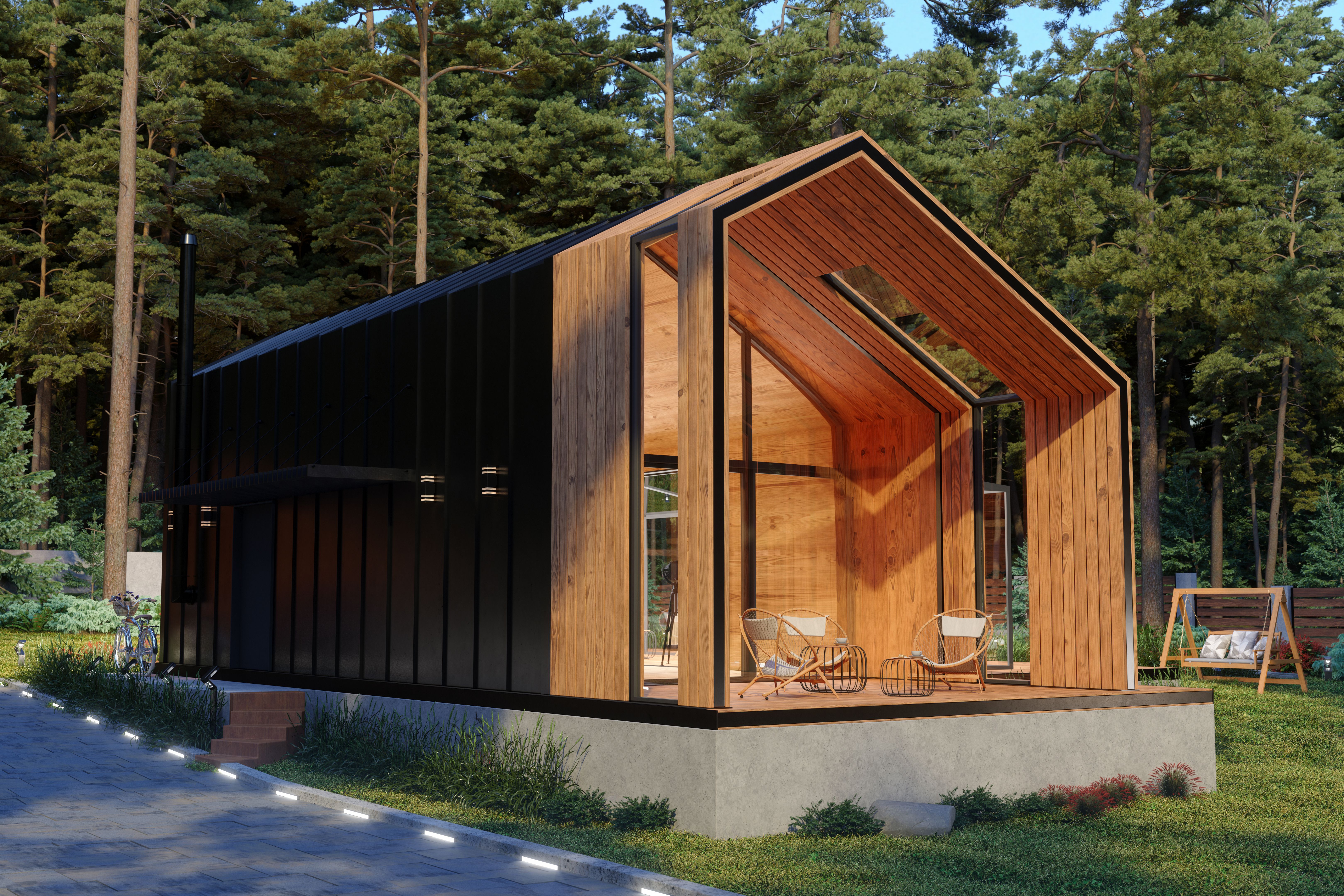
Another misconception is that prefabricated homes have limited design options. Contrary to this belief, modern prefabricated homes offer a wide range of customizable designs. Homeowners can choose from various architectural styles, layouts, and finishes. This flexibility allows for personalized and unique living spaces that cater to individual tastes and preferences.
The Advantages of Prefabricated Homes
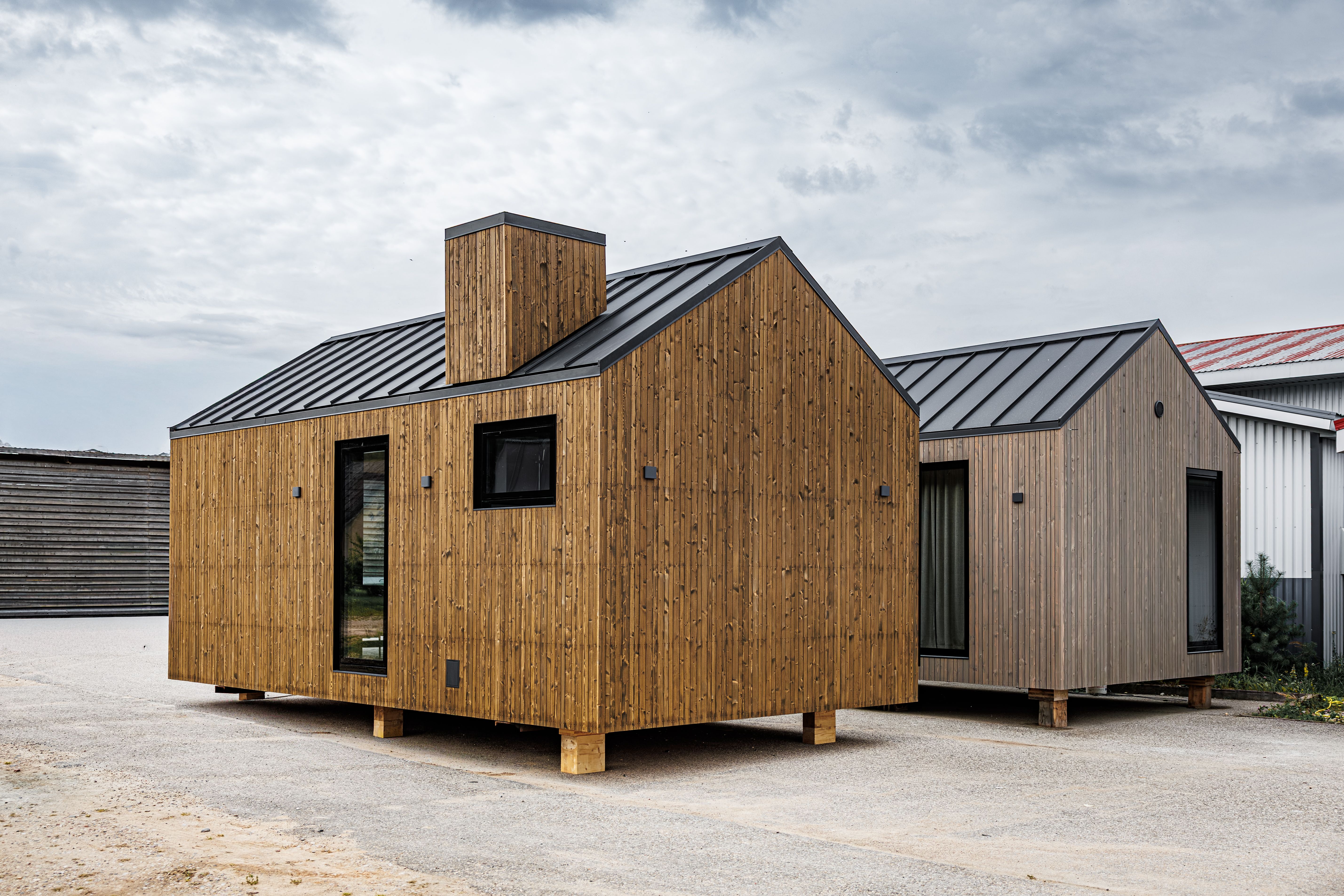
Beyond debunking myths, it's important to highlight the advantages of prefabricated homes. These homes are not only cost-effective but also environmentally friendly. The controlled construction environment minimizes waste, and many manufacturers use sustainable materials. Additionally, the reduced construction time translates to lower labor costs and quicker move-in dates.
Energy Efficiency
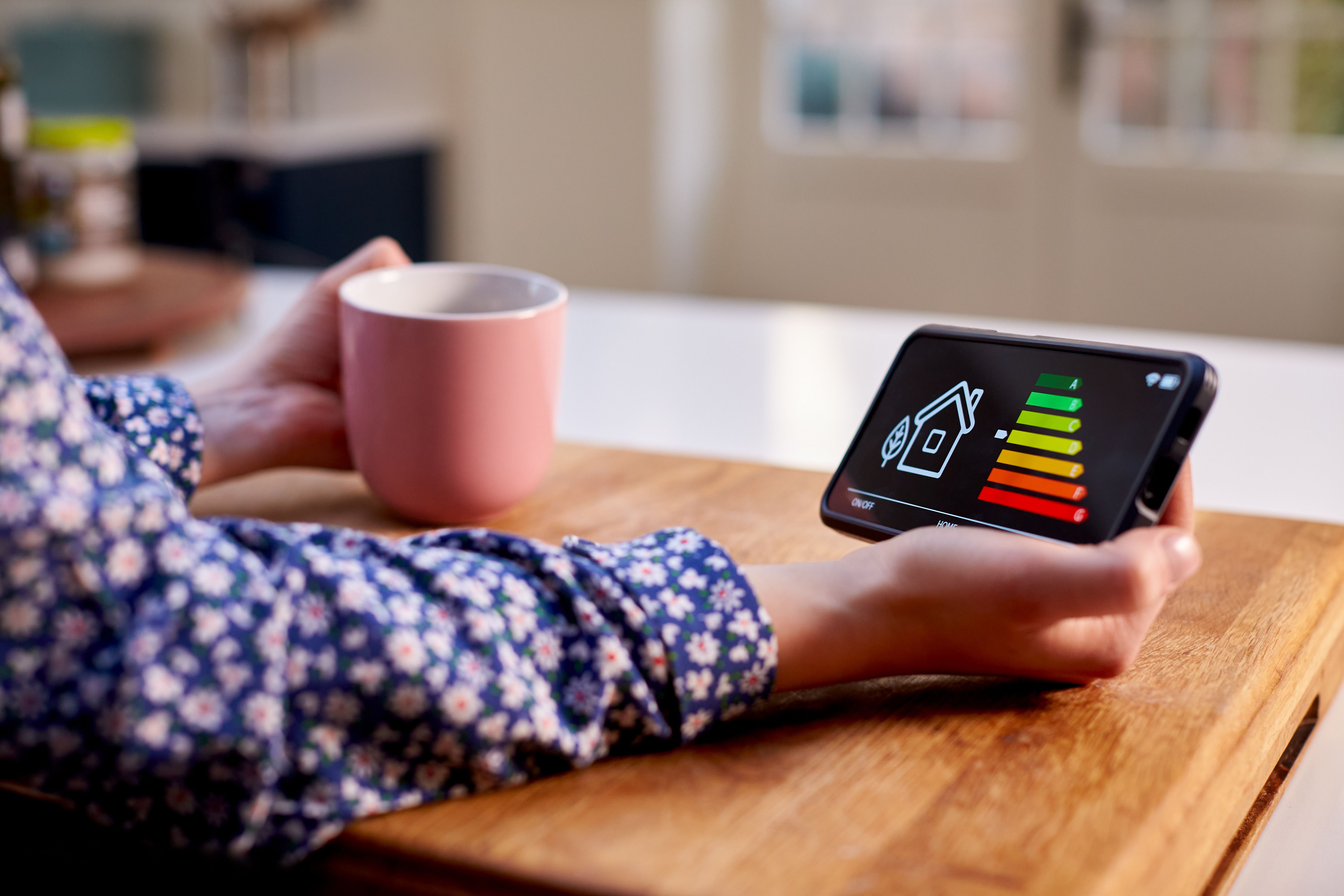
Prefabricated homes are often designed with energy efficiency in mind. Many models incorporate advanced insulation, energy-efficient windows, and modern HVAC systems. These features contribute to reduced energy consumption and lower utility bills, providing long-term savings for homeowners.
Addressing Safety Concerns
Some potential buyers worry about the safety and resilience of prefabricated homes. It's crucial to understand that these homes must meet the same building codes and standards as traditional homes. Prefabricated homes are engineered to withstand various environmental conditions, ensuring they are safe and secure for their occupants.
Resilience and Durability
Modern prefabricated homes are designed to be resilient and durable. The materials and construction methods used are often comparable, if not superior, to those employed in traditional home construction. This ensures that prefabricated homes can withstand the test of time, providing a safe and reliable living space for years to come.
In conclusion, prefabricated homes offer a viable and attractive alternative to traditional housing. By debunking these myths and understanding the real benefits of prefabricated homes, potential homeowners can make informed decisions about their housing options.