Comparing Modular Homes vs. Traditional Homes: Which is Right for You?


Introduction to Modular and Traditional Homes
When it comes to building a new home, the choice between modular and traditional construction methods can be a significant decision. Both options offer unique advantages and potential drawbacks, depending on your needs and preferences. Understanding these differences can help you make an informed choice that fits your lifestyle.
Understanding Modular Homes
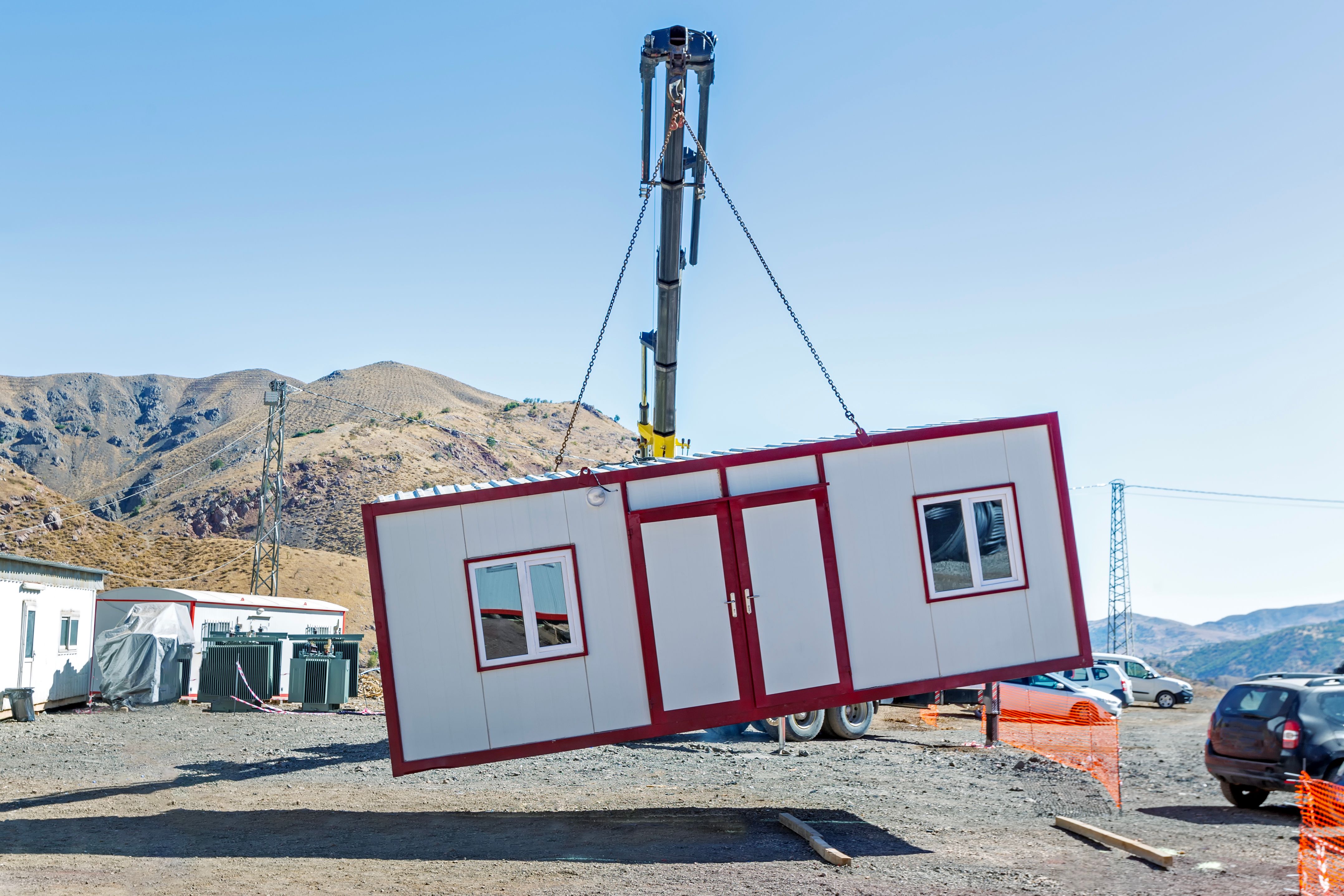
Modular homes are prefabricated structures, built in sections at a factory and then transported to the construction site for assembly. This process allows for efficient production with minimal waste. One of the key benefits of modular homes is the speed of construction, often completed in a matter of weeks rather than months.
Advantages of Modular Homes
- Cost-Effective: Due to the controlled environment of a factory, modular homes can be more affordable.
- Eco-Friendly: Efficient manufacturing processes reduce waste and energy consumption.
- Customizable: Many modular homes offer a range of customizable options to fit your tastes and needs.
Exploring Traditional Homes
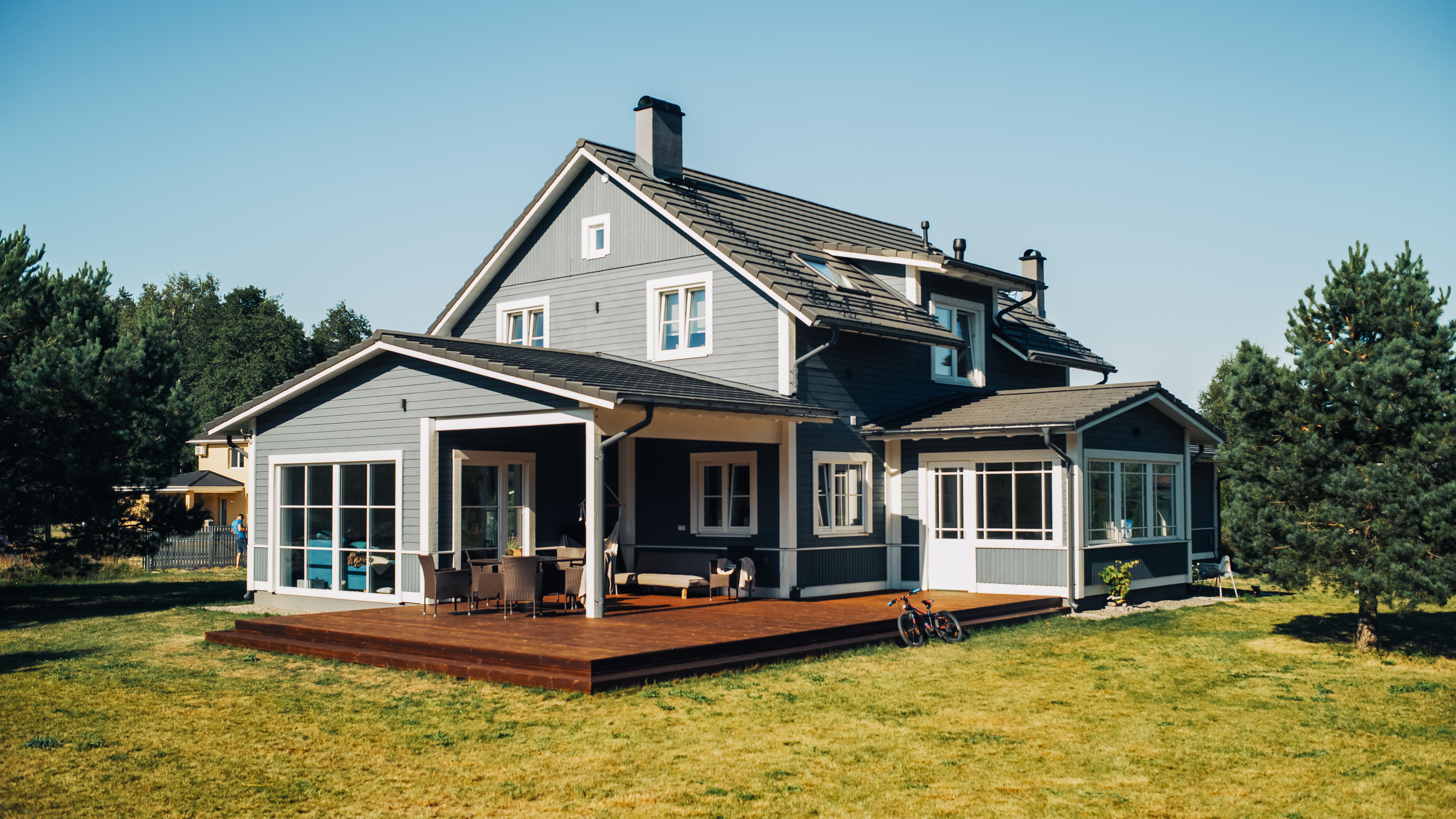
Traditional homes, often referred to as stick-built homes, are constructed entirely on-site. This method allows for a high level of customization and often results in homes that fit seamlessly into their surroundings. Traditional construction has been the standard for many years, providing a tried-and-true approach to homebuilding.
Benefits of Traditional Homes
- Customization: Offers extensive design flexibility, allowing you to create a truly unique home.
- Durability: Built to withstand local weather conditions, often with longer-lasting materials.
- Market Perception: Often perceived as more valuable due to the craftsmanship involved.

Comparing Costs and Timeframes
When considering costs, modular homes generally present a lower price point due to efficient manufacturing processes. However, traditional homes may offer greater long-term value. Timeframes also differ, with modular homes being quicker to assemble, while traditional homes may take longer but offer more flexibility in design.
Which Is Right for You?
Your choice between modular and traditional homes will largely depend on your priorities. If budget and time efficiency are crucial, a modular home might be the best fit. On the other hand, if customization and long-term value are more important, a traditional home could be the better option.
Final Considerations
Ultimately, the decision between modular and traditional homes should align with your personal preferences, lifestyle, and financial situation. Consider consulting with professionals in both fields to gather insights and make a well-informed choice that you will be happy with for years to come.